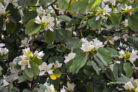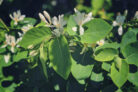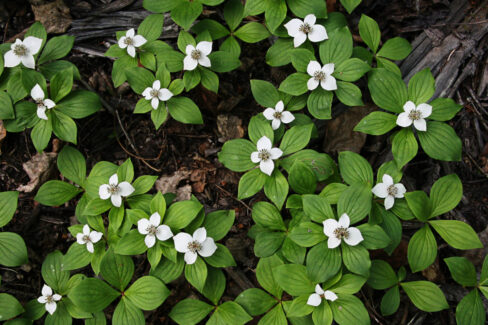
When most people think of Dogwood, they picture tall shrubs or trees. But did you know there are low-growing varieties too? Often called “Bunchberry” or “Creeping Dogwood,” these groundcovers are incredibly hardy and versatile. They’re a favorite for home gardeners who want to fill in space with a lush, leafy carpet.
Ways to Use Groundcover Dogwood
These low-profile Dogwoods are perfect for a few different spots in your yard:
- As an underplanting beneath taller trees and shrubs
- To create a natural border for garden beds or walkways
- Even as a filler in patio containers and window boxes
The Best Spot for Your Plants
Just like their taller cousins, Creeping Dogwoods thrive best in partial shade. You’ll want to plant them in soil that stays moist but drains well. Generally speaking, as long as your soil isn’t too alkaline (low lime content is best), these little guys are pretty adaptable to different spots in the garden.
How Dogwood Handles Winter
One of the best things about Creeping Dogwood is how tough it is. It’s completely winter-hardy, so you don’t need to worry about frost damage—it can stay outside year-round without a problem.
While it’s technically semi-evergreen, that usually only applies to milder winters. If the temperature drops well below freezing, the plant will drop its leaves. Don’t worry, though—they’ll grow back even more beautiful in the spring! Plus, in the fall, the foliage often puts on a show with pretty red and orange tints.
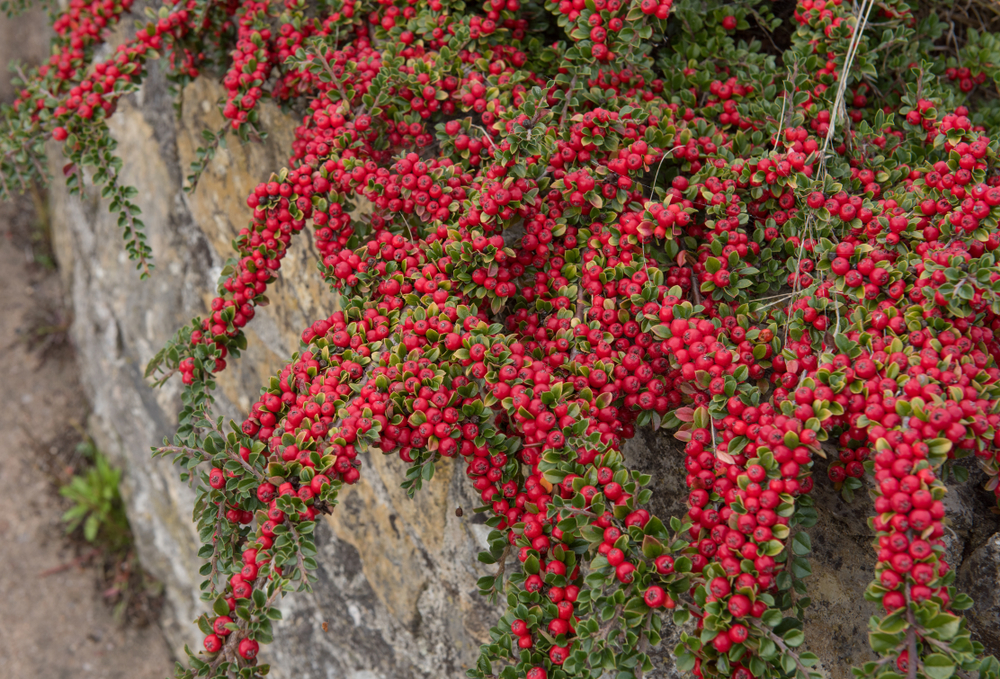
By autumn, the white flowers turn into small, bright red berries. They look great, but keep in mind they aren’t meant for eating!
Care Tips for Creeping Dogwood
Dogwood is famously resilient and low-maintenance. The main thing to watch out for is the heat. During hot, dry spells, make sure to give them a good soak. This is especially important if you’re growing them in pots or window boxes, as they tend to dry out faster and really crave that moisture.
If your Dogwood does drop its leaves in the winter, leave them where they fall! They’ll naturally break down into nutrient-rich humus, which feeds the soil.
Spacing: How Many Do You Need?
If you’re looking to create that thick, “carpet” look, spacing is key. You want them close enough to fill in the gaps, but not so crowded that they’re fighting for room.
A good rule of thumb is to plant about six to eight plants per square yard. Before you know it, they’ll knit together into a beautiful, dense green carpet.