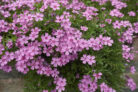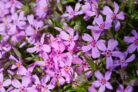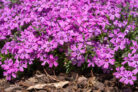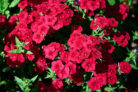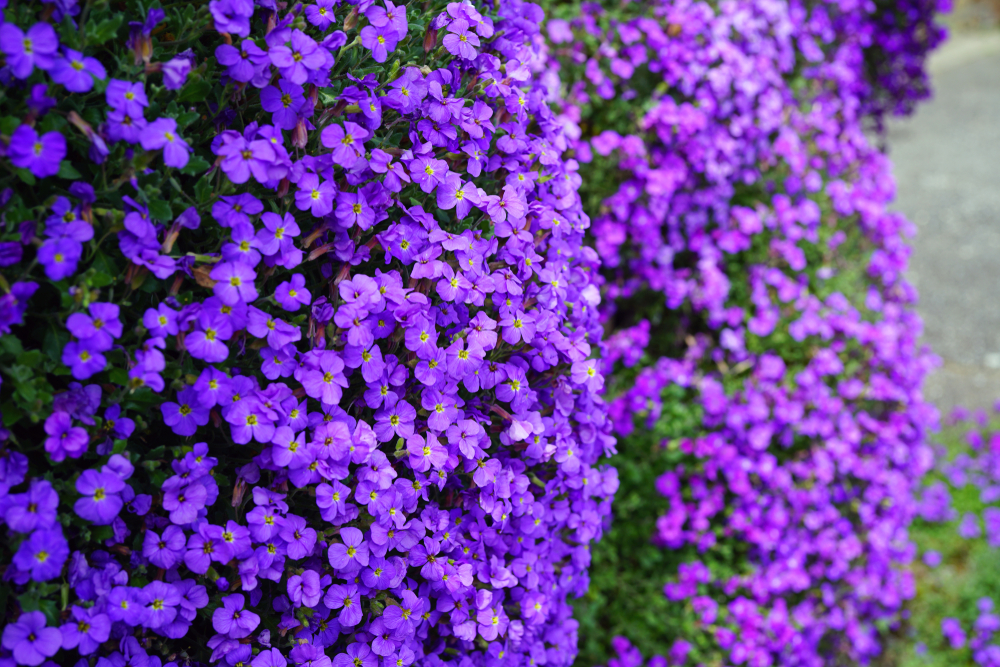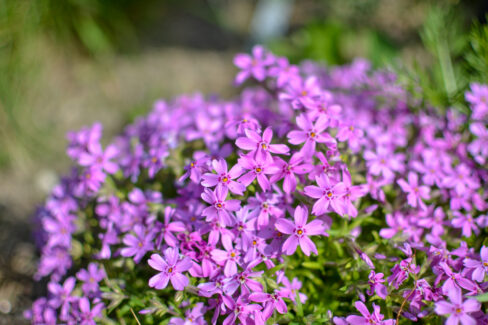
Creeping Phlox is a stunning groundcover that’s actually native right here to North America. It’s a favorite in home gardens for its delicate, star-shaped blooms and rugged personality. Since it’s such a low-maintenance perennial, it’s a go-to choice whether you’re planting it in a garden bed or a decorative container.
Getting the Spacing Just Right
When you’re working with young Creeping Phlox, you can plant them in “tuffs”—basically small clusters of individual plants grouped together. To get that iconic, dense carpet of color, you’ll want to make sure you aren’t crowding them too much; aim for no more than ten plants per square yard. The best time to get them in the ground is in the spring, starting around April.
If you’re planting them individually, keep about 12 inches (30 cm) of space between each one. This gives the phlox enough breathing room to eventually knit together with its neighbors into a seamless floral rug. They also work beautifully as “solitary” accent plants, acting as a colorful focal point tucked between taller perennials or rose bushes.
Growing Creeping Phlox in Containers
Creeping Phlox looks fantastic in pots, too! To make sure it thrives just as well as it does in the ground, pick a nice, wide container. This gives the root system plenty of room to branch out and get established. If you’re starting with young plants, using a high-quality potting mix or seed-starting soil can give them a great head start.
Make sure your pot has a drainage hole so rainwater and extra irrigation can escape. I always recommend adding a drainage layer of expanded clay, gravel, or broken terracotta pieces at the bottom to keep the roots from sitting in water. Once planted, move your pot to a sunny spot where it can soak up the rays.
Beautifying Your Balcony
Because this groundcover stays low to the ground, it’s a perfect choice for balcony gardening. Those creeping stems look especially gorgeous in window boxes hanging off a railing. When they get plenty of sun, they’ll spill over the edges, creating a stunning “curtain” of flowers.
One thing to keep in mind: while phlox in the ground only needs water during long dry spells, container-grown plants need a bit more attention—usually about once a week. On those scorching summer days, wait until the evening to water. This gives the soil a chance to cool down so you don’t “cook” the roots.
Pro Tip: Creeping Phlox absolutely loves south-facing balconies with direct sunlight. In a sunny spot like that, these hardy plants can live for years, showing off their colorful buds every single spring.