When most people think of barberry, they picture tall hedges, but did you know there are fantastic low-growing varieties too? These groundcover types are absolute superstars for filling in those tricky spots under trees or taller shrubs. Plus, they look great in patio containers or window boxes if you’re short on garden space.
What Makes a Great Groundcover Barberry?
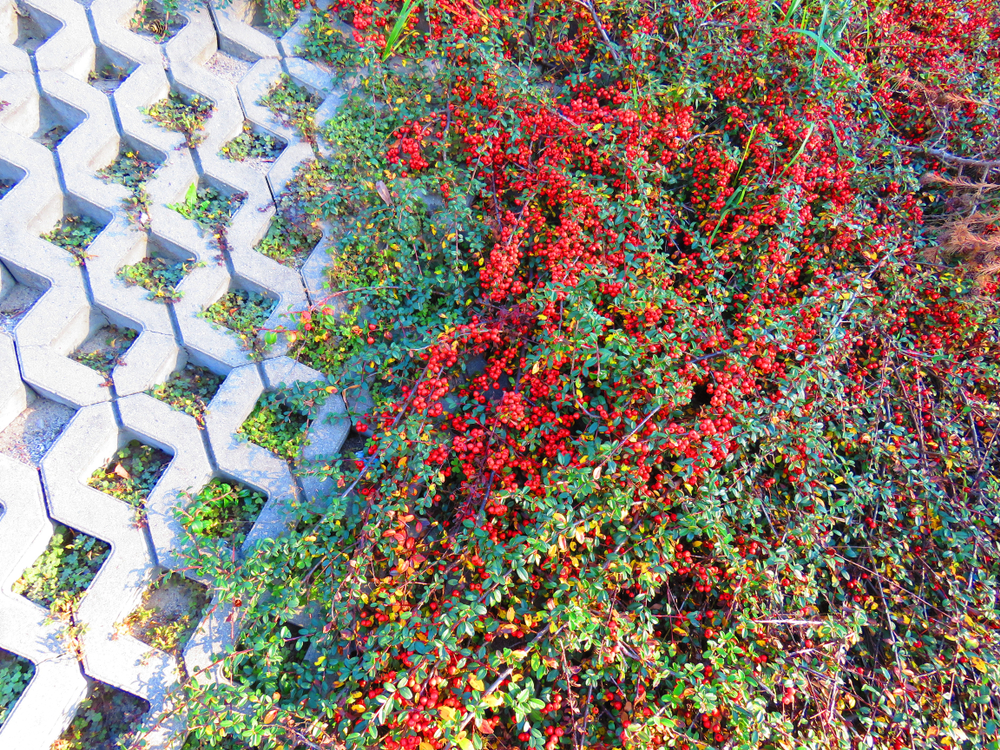
If you’re looking to use barberry as a groundcover, you’ll want to pick varieties that fit a specific profile. The best choices are those that spread wide but stay low to the ground. Varieties with evergreen leaves and sturdy thorns are especially helpful because they create a thick, impenetrable mat that naturally chokes out weeds.
Top Barberry Varieties for Groundcover
Here are a few of my favorite low-growing barberries to get you started:
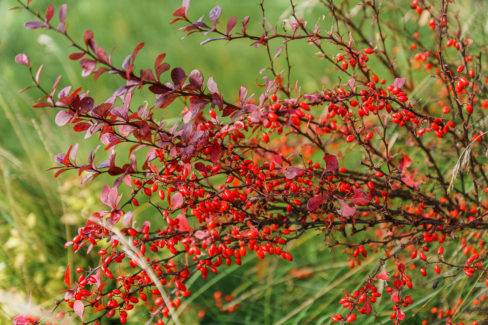
- ‘Atropurpurea Nana’ (Crimson Pygmy): This *Berberis thunbergii* variety is a showstopper. It stays small—about 12 to 15 inches tall—but can spread up to 3 feet wide. It’s deciduous, meaning it drops its leaves in winter, but its stunning purple-red foliage makes it worth it.
- ‘Aurea’ (Golden Barberry): Another *Berberis thunbergii* favorite, this one brings a pop of sunshine to the garden with its bright gold leaves. It grows about 20 to 30 inches tall and roughly 2 feet wide. Just keep in mind it will lose its leaves when the cold weather hits.
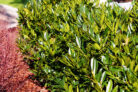
- ‘Nana’ (Dwarf Box-Leaf Barberry): Known botanically as *Berberis buxifolia*, this one has a lovely rounded shape. It grows 15 to 30 inches tall and spreads about 2 to 3 feet wide. The best part? It’s evergreen, so it stays green all year long.
- ‘Candidula’ (Paleleaf Barberry): Often called the “Cushion Barberry,” this variety grows about 2 to 2.5 feet tall but can spread up to 5 feet wide! It’s a beautiful evergreen with dark green leaves on top and a striking snowy-white underside.
Spacing Your Plants for Success
To get that lush, “carpet” look that keeps weeds at bay, you need to plant them with the right spacing.
A good rule of thumb is to aim for 6 to 8 plants per square meter (roughly 10 square feet). This means spacing your plants about 14 to 16 inches apart. This density is the “sweet spot”—it covers the ground quickly without breaking the bank. You can certainly plant fewer than 6 per section if you’re on a budget, but just be prepared to wait a few extra years for the area to fully fill in.