Ground Cover Cotoneaster Varieties
When most people think of Cotoneaster (often called Mispel in Europe), they picture upright shrubs or potted plants. But did you know that certain varieties make absolutely fantastic ground covers? If you’re looking for a low-maintenance way to green up your yard, these spreading beauties are the way to go. Let’s dive into the best varieties for your garden.
What Makes a Good Ground Cover?
Not every Cotoneaster is up for the job. To work well as a ground cover, a variety needs to stay low to the earth while growing densely enough to create a solid carpet of foliage. You’ll want to look for types that are either evergreen or deciduous with thick, lush growth patterns.
The Most Popular Ground Cover Varieties
If you’re heading to the nursery, these are the names you’ll want to keep an eye out for:
- Dwarf Cotoneaster
- Bearberry Cotoneaster (Creeping Cotoneaster)
- Cushion Cotoneaster
- Rockspray Cotoneaster
- Spreading Cotoneaster
Dwarf Cotoneaster
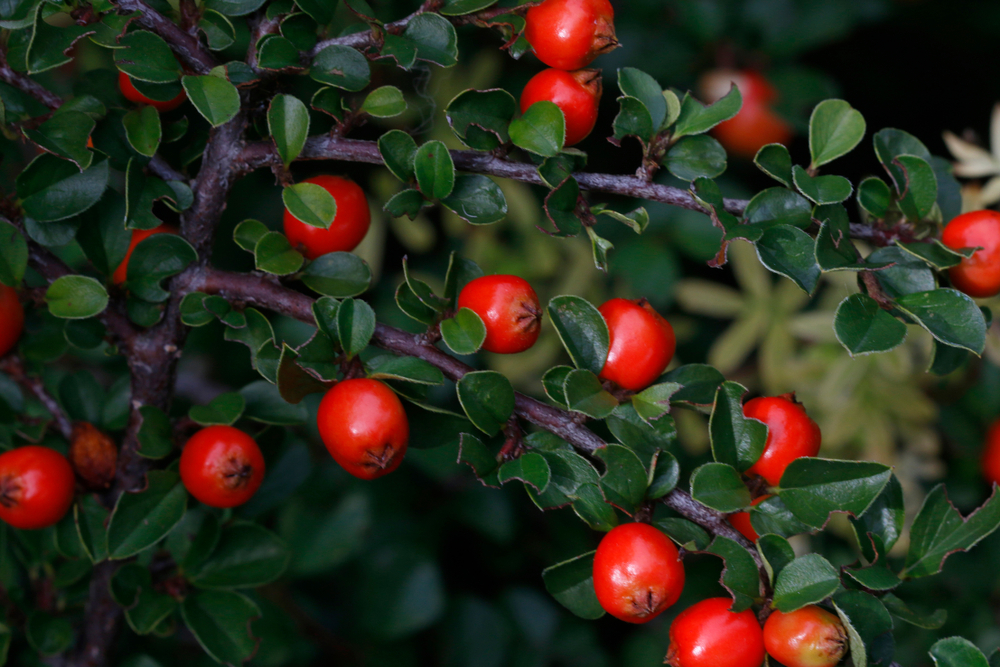
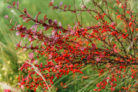
The Dwarf Cotoneaster is probably the most famous choice for covering ground. If you want a real showstopper, look for the ‘Coral Beauty’ cultivar. It features stunning, shiny red berries that pop against the green leaves.
Bearberry Cotoneaster (The “Carpet” Maker)
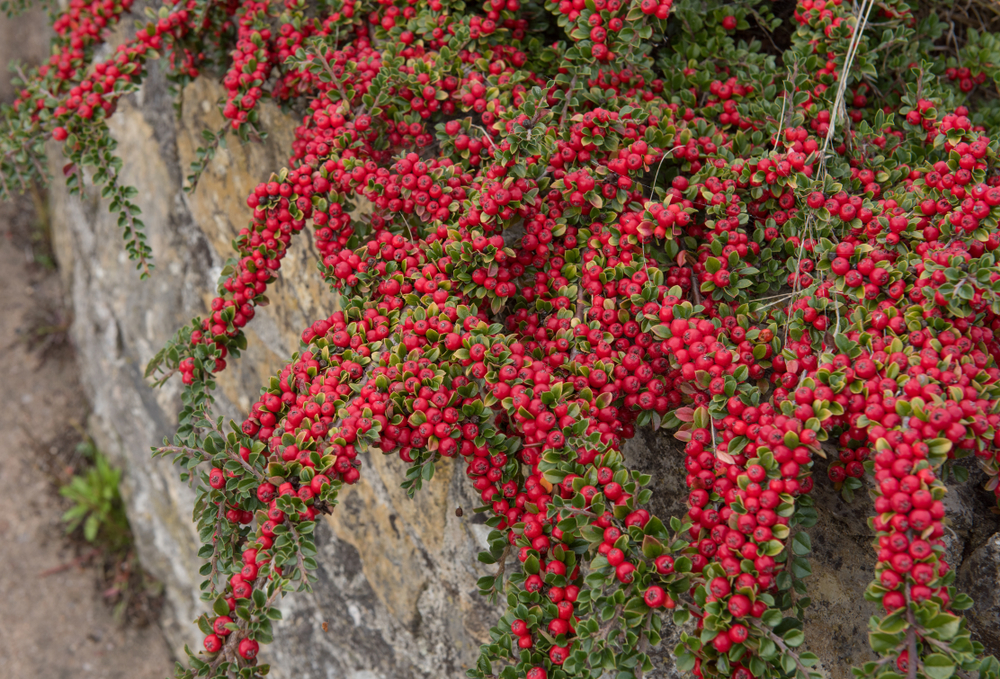
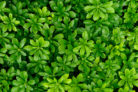
If you’re looking for a living alternative to a lawn, the Bearberry Cotoneaster is your best friend. It’s evergreen and grows incredibly thick, filling in bare spots in no time. Because it’s so hardy and vigorous, it’s perfect for stabilizing slopes or lining driveways. The best part? The growth is so dense that it chokes out weeds, saving you from hours of tedious weeding!
Cushion Cotoneaster
The Cushion Cotoneaster is another beautiful choice. While it is deciduous (meaning it drops its leaves), it puts on a spectacular show in the fall when the foliage turns a brilliant, fiery red. Just keep in mind that this variety doesn’t produce as many berries as some of its cousins.
Rockspray Cotoneaster
This one is a real conversation starter! The Rockspray Cotoneaster has a unique “herringbone” branch pattern that looks like a work of art. It’s deciduous, turning a lovely orange in the fall, and it produces a massive amount of bright red berries. Since it can grow up to about three feet tall, it works just as well for low hedges as it does for covering large areas.
Creeping Cotoneaster
As the name suggests, this variety stays very flat and hugs the ground. It’s a great choice if you want something very low-profile, though keep in mind that it grows a bit slower than the other varieties on this list.
Don’t Be Afraid to Prune!
One of the best things about these ground covers is how tough they are. They handle pruning exceptionally well—even a heavy “haircut” won’t hurt them. In fact, I recommend trimming them back regularly in the spring or fall. This keeps the plants healthy, encourages fresh new growth, and ensures that “carpet” stays nice and thick for years to come.