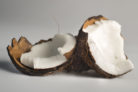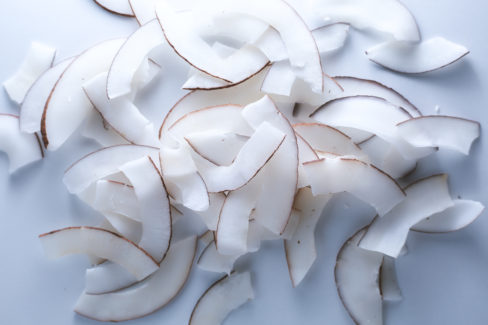
Coconuts are totally having a moment right now, and they are incredibly versatile in the kitchen. If you’ve managed to get your hands on a whole nut, drying the meat yourself is a fantastic way to prep it for desserts and snacks.
Cracking the Nut
As long as a ripe, woody coconut remains unopened, it’ll stay fresh for months. But if you want to get to that delicious coconut water and the meat for drying, you’re going to have to break it open first.
Step one: drain the coconut water. For this, don’t be afraid to break out the “heavy machinery”—an electric drill works wonders here. Look at one end of the nut and you’ll see three little indentations. These are called “eyes” or germ holes; they’re softer than the rest of the shell and much easier to pierce. To keep the nut from rolling away while you work, I recommend securing it in a vice.
Once the water is drained, it’s time to open the shell. You can either saw it right down the middle or use a hammer to give it some strategic whacks until it cracks. Either way, make sure the nut is held firmly in place so you don’t slip!
Removing the Meat
Before you can dry the coconut, you’ve got to get it out of its shell. The easiest way is to carefully carve it out using a paring knife. You might notice a thin, dark brown skin on the back of the white meat. While it’s perfectly fine to eat, it doesn’t always look the best in every recipe, so many people prefer to peel it off.
Try to remove the meat in the largest pieces possible. It’ll make your life a lot easier when you move on to the next step.
Drying the Coconut
You really only want to dry coconut in large chunks if you’re planning on pressing it for oil later. If you’re looking for shredded coconut or flakes, it’s best to grate or slice the fresh meat into the size you want right now.
Next, spread your flakes or shreds in a thin layer on a baking sheet and place it in a well-ventilated spot to air dry. This can take a few days. I generally don’t recommend drying them in the oven, as the high heat can actually change the flavor profile. Once the coconut is completely dry, transfer it to airtight containers for storage. Pro tip: you can also freeze dried coconut meat to keep it extra fresh and protect it from any pantry pests!