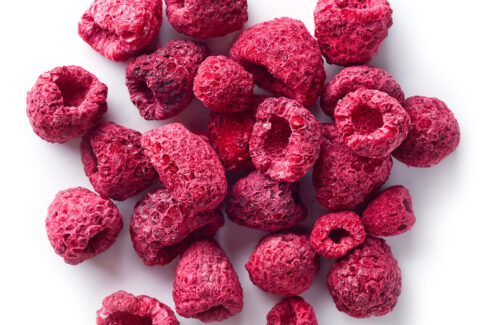
While you can toss most fruits into a dehydrator or oven and call it a day, raspberries are a whole different story. Sadly, they just aren’t built for drying. Because these little berries have such a high water content, there’s almost nothing left of them once the moisture is gone.
Why Raspberries and Dehydrators Don’t Mix
Here’s the deal: raspberries are more than 80 percent water. The whole point of drying fruit is to remove that moisture, but with raspberries, you’re left with nothing but the skin and the seeds.
To even make them chewable at that point, you’d have to soak them in water first—and by then, that signature sweet-tart flavor is long gone. Simply put, dried raspberries are pretty much inedible!
Better Ways to Keep Your Harvest Fresh
Since raspberries don’t have a long shelf life and you probably can’t eat your entire harvest in one sitting, you’ll want a better way to preserve them. Here are my favorite methods for making them last:
- Canning
- Freezing (perfect for smoothies!)
- Making homemade jam
- Pureeing them into a seedless sauce
What You *Can* Actually Dry
If you decide to make a raspberry puree and strain out the seeds, don’t throw them away! You can actually dry those leftover seeds to make a gourmet fruit salt. Just let the seeds dry out completely and mix them with high-quality sea salt. This raspberry salt is a total game-changer for summer salads or grilled meats.
Also, don’t forget the leaves! While the berries don’t dry well, raspberry leaves are perfect for drying and storing as tea. Raspberry leaf tea isn’t just tasty; it’s actually a staple in herbal medicine for women’s health. It’s often used to help tone the uterus and is a well-known natural aid for easing the labor process.