Growing raspberries in your own backyard is a total game-changer. There’s nothing like having a constant supply of fresh berries to snack on or whip into homemade jam. If you’ve already got a raspberry bush and want to expand your patch, you’re in luck! You can propagate them in a few different ways without much fuss. Here’s the lowdown on how to get it done.
How to Propagate Raspberries
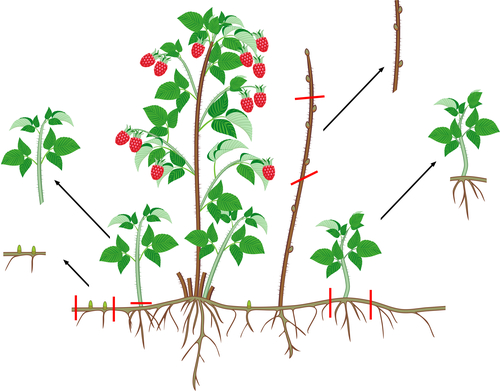
Raspberries are actually pretty easy to multiply using these three methods:
- Cuttings
- Layering
- Runners (Suckers)
You might be wondering about growing them from seeds, but honestly? It’s a huge hassle and takes way too long. Stick to the methods above for much faster results!
The Best Time to Get Started
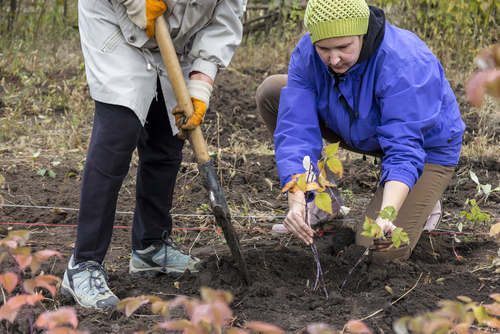
If you’re dreaming of a big summer harvest, your best bet is to prep in October or November. Planting your cuttings, layers, or runners in late fall gives them the whole winter to get cozy and establish their roots. For fall-bearing varieties, you might even see fruit the very next year! If you wait until spring to plant, you’ll likely have to wait an extra year before you’re picking any berries.
DIY Raspberry Propagation: Step-by-Step
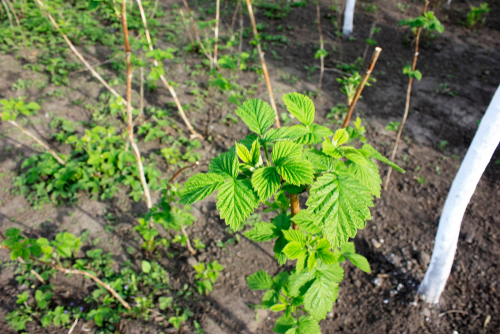
- Using Runners: Most raspberry varieties are “spreaders” and send out runners (also called suckers) all on their own. You’ll spot these little guys popping up out of the ground near the main plant. Just use a spade to dig them up—making sure to get a good chunk of the root system—and move them to their new home.
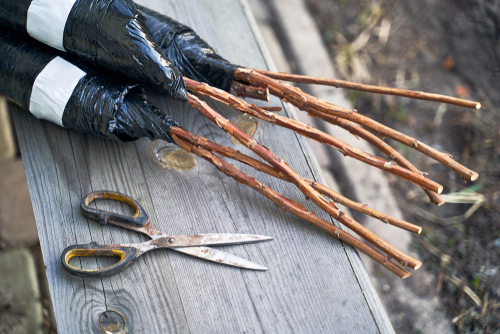
- Root Cuttings: This is super straightforward. Just use your shovel to slice off a decent-sized piece of the root from a healthy plant. Just make sure the piece you take has at least three “eyes” (buds) on it.
- Layering: This is a cool trick where you take a long cane that’s still attached to the plant, bend it down to the ground, and pin it down with a landscape staple or tent peg. Cover that section with some soil, and by next spring, it should have sprouted its own roots. Once it’s established, you can snip it away from the “mom” plant.