If you’ve ever tasted a sun-warmed autumn raspberry straight from the bush, you know exactly why one plant is never enough. The good news? If you want to expand your berry patch, you don’t need to head back to the nursery. Multiplying your raspberry plants is actually surprisingly easy!
Here are your best options for propagation
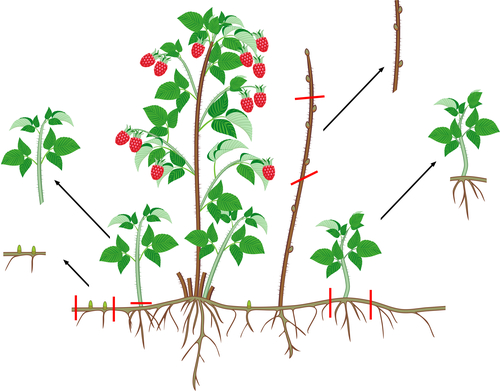
There are a few different ways to get more autumn raspberries growing in your garden. You can try:
- Layering (Absenker)
- Root suckers
- Root cuttings
- Seeds
Propagation via Layering
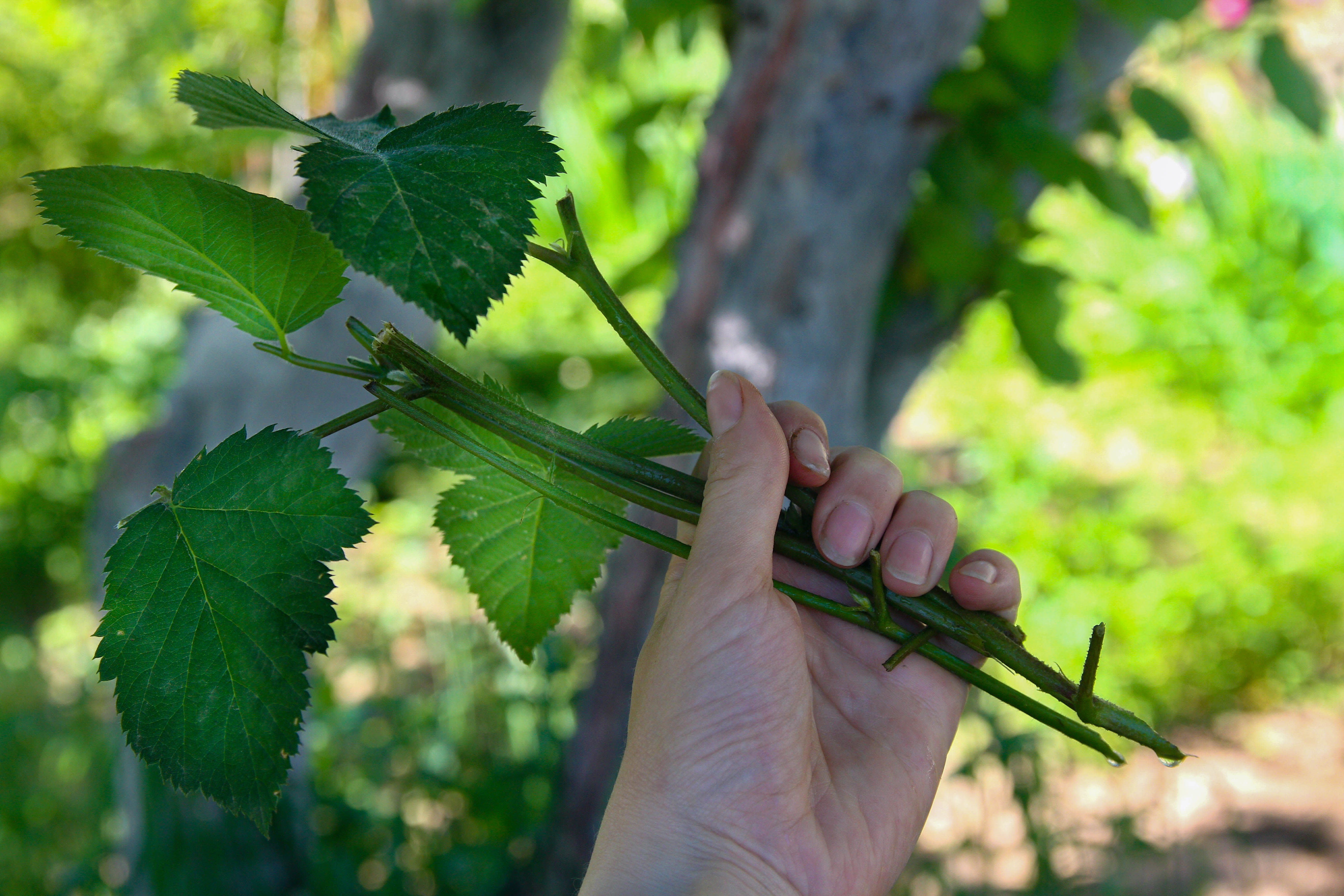
This is a classic gardener’s trick. Find one of the longest canes on your raspberry bush and gently bend it down to the ground. Don’t worry about snapping it—these canes are tougher and more flexible than they look. Use a landscape staple or a small hook to pin the stem to the soil, then cover that spot with a little bit of dirt.
Over time, that buried section will start growing its own roots. Once you see new leaves popping up, you can snip the “umbilical cord” to the mother plant and transplant your brand-new raspberry bush to its forever home.
Propagation through Root Suckers
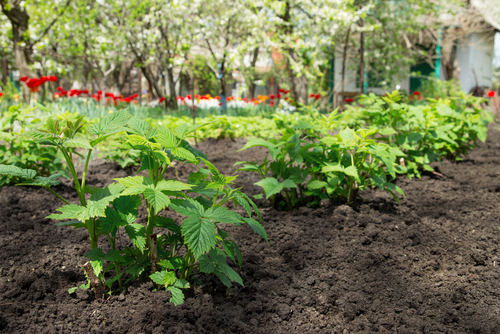
This is by far the easiest method because, honestly, the plant does all the heavy lifting for you. Raspberries are famous for sending out underground runners that pop up as “suckers” wherever they please near the main plant.
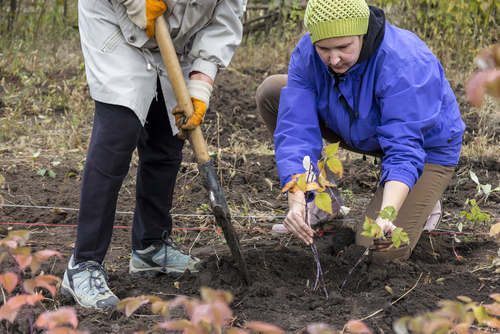
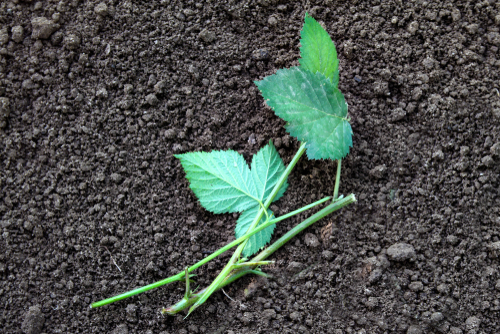
Once these little volunteers show a few leaves above the ground, you can carefully dig them up (making sure to get a good chunk of the root) and move them to a new spot. The best time to do this is usually on a cool day in the fall.
Propagation through Root Cuttings
While wild raspberries spread like wildfire, some of our favorite cultivated garden varieties are a bit more well-behaved and don’t produce as many suckers. In this case, you can take matters into your own hands by growing new plants from root cuttings.
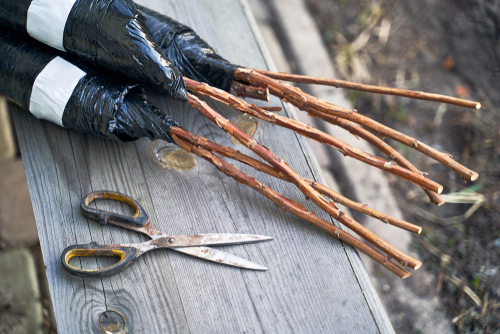
In late autumn, dig down and snip off a few pieces of root directly from the main rootstock. Aim for pieces about four inches long that have at least one or two “eyes” (growth buds). Lay these cuttings in a garden bed with humus-rich soil mixed with a little sand. Cover them with a light layer of soil and some mulch. Be patient, and eventually, they’ll sprout into independent plants ready for transplanting.
Propagation via Seeds
Technically, yes, you can grow raspberries from seed—that’s how nature intended it, after all! But in the gardening world, this is the “scenic route” you probably don’t want to take. Not only is it a huge pain to separate those tiny seeds from the fruit pulp, but it also takes forever for them to grow into a productive bush. This method is mostly for the birds (literally!); for us home gardeners, sticking to roots and canes is much faster and more rewarding.