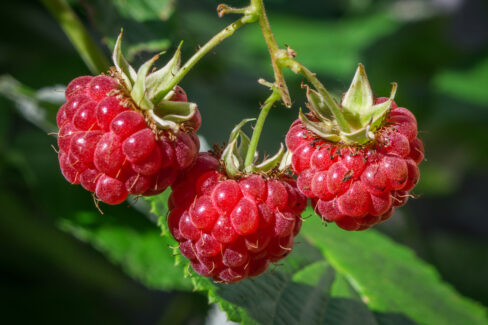
Finding moldy raspberries in your garden is a real bummer. Not only are they unsafe to eat, but they can ruin your whole harvest. Usually, the culprit behind those fuzzy berries is excess moisture. If you want to keep your berry patch healthy, here’s the lowdown on why mold happens and how you can prevent it.
Moisture Leads to Blue Mold
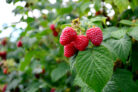
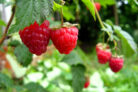
If you spot mold growing right on the bush, you’re likely looking at blue mold. This usually happens when things get a bit too damp, often because of where the berries are planted. If your raspberry bushes don’t get enough sunlight, rainwater just sits on the fruit instead of evaporating. That lingering moisture is an open invitation for mold to move in.
How to Prevent Mold in Your Berry Patch
- Pick a sunny, breezy spot: Airflow is your best friend.
- Thin out your bushes: Don’t let them get too crowded.
- Water early and low: Stick to morning watering at the base of the plant.
- Clean up: Remove any old, overripe, or dried-out berries.
- Trash the moldy ones: Put moldy berries in the garbage, not the compost.
Location Matters
To stop mold in its tracks, your berries need to dry off quickly after a rain shower. This means you need a planting spot that is bright, sunny, and gets a good breeze. Also, watch your spacing—if you plant your raspberry bushes too close together, you’re creating a humid environment where mold loves to grow.
Smart Watering Tips
When you’re out with the watering can, try to keep the fruit itself dry. Aim your stream directly at the roots rather than soaking the canes and berries. If you use a sprinkler system, make sure it’s positioned so it isn’t blasting your raspberries with water every day.
Disposing of Moldy Fruit
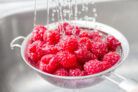
Whatever you do, don’t eat moldy raspberries! You’ll need to pick them off and toss them in the trash. For the berries growing right next to the moldy ones, give them a very close inspection. If they look perfectly clean, give them a good wash and they should be fine to eat. But if there’s even a tiny speck of fuzz, it’s better to be safe and toss them.