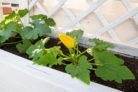
If you’ve got zucchini growing on your balcony or in your backyard garden, you know the drill: come summer, you’re usually swimming in a massive harvest. One of my favorite ways to make that bounty last through the winter is by drying them. Here are a few tips and tricks to get you started.
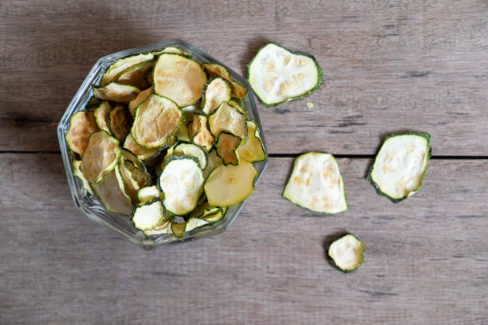
Zucchini is such a versatile veggie. If you’ve successfully grown your own, you’ll often find yourself with way more than you can eat at once. Drying (or dehydrating) is a fantastic way to preserve them, and you’d be surprised at how many ways you can use dried zucchini in the kitchen.
Choosing the Right Fruit
Small, young zucchini are actually the best candidates for drying. Their skin is still nice and soft, so there’s no need to peel them. Plus, the seeds are so tender that you can dry the whole thing as-is.
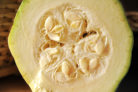
Large “monster” zucchini, on the other hand, definitely need to be peeled. Once the water is removed, that thick skin becomes tough and pretty much inedible. You’ll also want to scoop out the seeds and the pulpy center, as they don’t dry well.
How to Prep Your Zucchini Like a Pro
- Wash your harvested zucchini thoroughly and pat them dry.
- On a cutting board, trim off both the blossom end and the stem.
- Slice the fruit into thin rounds, strips, or small cubes.
- Spread your pieces out in a single layer on a baking sheet lined with parchment paper.
- If you have a food dehydrator, arrange the pieces on the drying racks.
Quick Tip: If you’re working with those oversized garden giants, definitely peel them and use a spoon to scrape out the seedy middle before slicing.
The Drying Process
To dry zucchini in the oven, set the temperature to about 100°F (40°C). It takes roughly 10 hours to get them fully dry. Even though it takes a while, the energy consumption is actually pretty low (around 0.2 kWh).
You’ll get much better results if you use the convection (fan) setting. Standard top-and-bottom heat doesn’t always dry the pieces evenly. I like to prop the oven door open slightly with a wooden spoon to let the moisture escape.
Of course, if you have a food dehydrator, just let it do its thing! These gadgets are great, though they can be a bit of an investment if you don’t plan on using them often.
Quick Tip: Consider splitting the cost of a dehydrator with friends or neighbors. It’s a great way to save money, and since everyone’s harvest peaks at different times, the machine gets plenty of use!
How to Use Your Dried Zucchini
If you sliced your zucchini into thin strips or rounds, you can toss them with a little salt and your favorite spices for a healthy “zucchini chip” snack at the end of the day.
Small cubes can be rehydrated in water and used just like fresh zucchini in casseroles, soups, or stir-fries.
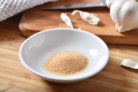
One of my secret weapons is making a custom herb salt. Mix dried zucchini with other dehydrated veggies like celery, tomatoes, onions, and mushrooms. Grind it all up with some sea salt in a mortar and pestle—it’s an absolute gourmet treat!