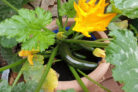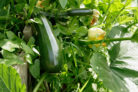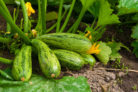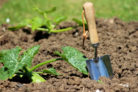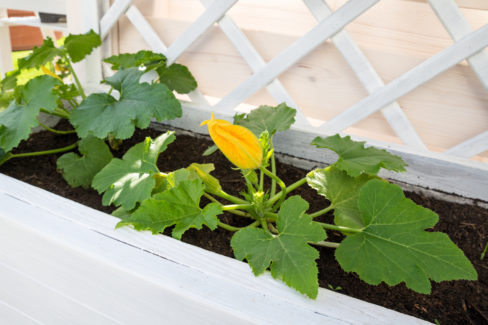
Think you need a huge backyard to grow your own veggies? Think again! Even if you’re limited to a balcony, you don’t have to miss out on homegrown zucchini. With a little TLC and enough elbow room, these plants will thrive, giving you a lush, green canopy and plenty of fruit to harvest. Ready to get your hands dirty? Just follow this guide.
Where Zucchini Comes From
Zucchini belongs to the cucurbit family, making it a close relative of cucumbers and pumpkins. While cucumbers originally hail from Southern Asia, pumpkins and zucchini are native to Central and South America.
Down there, it’s all about tropical vibes. If we want these plants to flourish on our balconies, we need to give them a little taste of home. Once they feel that “tropical” warmth, they’ll be perfectly happy, even in our slightly cooler climate.
Choosing Your Plants
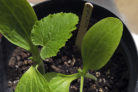
Starting around mid-May, you’ll find zucchini starts at just about every garden center or home improvement store. Local farmers’ markets are also great spots to find unique varieties. Look for plants that look sturdy and strong—they’ll have a much easier time settling into their new home.
Of course, you can also start your seeds indoors. If you start in mid-April, you’ll have robust little plants ready to move outside by mid-May.
Picking the Right Pot
- Plastic pots
- Terra cotta (clay) pots
Using Plastic Pots
Plastic is a super popular choice for balconies because it’s lightweight. However, plastic isn’t the most eco-friendly option, and because the material doesn’t “breathe,” it’s easy for water to pool at the bottom. This “wet feet” situation isn’t great for the roots.
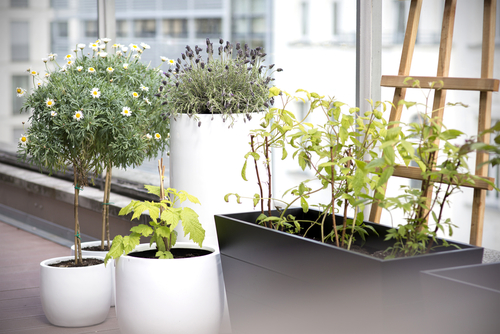
If you go with plastic, try to avoid dark colors. Dark pots soak up the sun and can actually cook the roots on a hot summer day.
Using Terra Cotta Pots
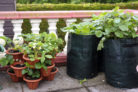
Don’t underestimate how heavy a clay pot becomes once it’s full of soil! Moving one of these bad boys takes some serious muscle.
That said, clay is much better for the plant. The porous material allows air to circulate through the walls, creating a much healthier environment for the root system.
The Dirt on Soil
You’ll see a ton of options at the store, but here’s the breakdown:
- Specialty vegetable soils are a great bet. They’re usually pre-loaded with fertilizer, which gives your plants a head start.
- Organic soils are often compost-based. These are usually heat-treated to kill off weed seeds. Just check the label to see if you need to add extra fertilizer.
- Peat-based soils are common, but peat mining destroys precious habitats. I always recommend going peat-free if you can.
- Coconut coir has become popular lately. It works well, but keep in mind it’s often shipped from far away, so it’s not the most “local” choice.
- Straight compost is fantastic for pots, but be warned: it’s full of weed seeds. You’ll likely see all sorts of mystery plants popping up alongside your zucchini. You can either steam the soil before planting to kill the seeds or just stay on top of weeding.
Pro tip: If you don’t have your own compost pile, ask a neighbor or a local community garden if they have some to spare!
How to Plant: Step-by-Step
- Fill a pot (at least 12 inches in diameter) with your chosen soil.
- Press the soil down slightly and dig a hole large enough for your plant’s root ball.
- Gently remove the zucchini from its nursery pot and place it in the hole.
- Fill in the gaps with soil and press down firmly around the base.
- Give it a good drink of water. Done!
Finding the Perfect Spot
Since zucchini loves the heat, give it the sunniest spot on your balcony.
Because balconies are usually somewhat sheltered, you can often get away with planting in early to mid-May—a bit earlier than you would in an open garden. The risk of frost is much lower near the warmth of the building.
Just remember: give it space! A full-grown plant needs about 10 square feet (one square meter). It might look tiny now, but it grows fast, and you don’t want it blocking your way to your balcony chair later!
Care Tips
Zucchini in pots need a little more “pampering” than those in the ground. Since there’s less room for roots to search for water and nutrients, they rely entirely on you.
When the weather gets hot, check the soil moisture daily. The bigger the plant gets, the more water and fertilizer it will crave. Using a saucer under the pot is a smart move—it helps catch runoff so the plant can soak it up later.
Harvest Time
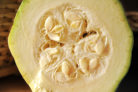
About 35 days after planting, you can start reaping the rewards! Harvest the fruits when they are about 4 to 8 inches long. At this size, they are tender and delicious—even raw. If one gets away from you and grows into a giant “baseball bat,” don’t worry! You can peel it, scoop out the seeds, and stuff it with ground meat or rice for a delicious baked dinner.