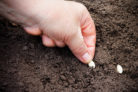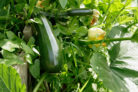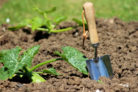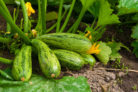
Found a variety of zucchini in your garden (or maybe your neighbor’s) that you absolutely love? Saving your own seeds is a fantastic way to make sure that same delicious variety pops up in your garden again next year. While it’s pretty straightforward, there are a few “pro tips” you should know before you start harvesting those seeds.
Zucchini is such a rewarding vegetable to grow—it’s budget-friendly, tasty, and really isn’t picky about its location or soil. If you’ve found a winner, there’s no reason not to keep it going for next season!
The Science: Pro Breeding vs. Home Saving
F1 Hybrid Varieties
In the world of professional breeding, plants are often self-pollinated over several generations to “filter out” specific traits—like size, color, or disease resistance.
Eventually, two of these “inbred” parent plants are crossed. Since they both have pure, distinct traits, their offspring—the F1 generation—is a powerhouse of those combined qualities. The catch? These traits aren’t stable. If you save seeds from an F1 hybrid, the next generation (F2) will be a total toss-up, often looking and tasting nothing like the original.
With hybrids, you usually have to buy new seeds every year. Plus, many gardeners find that F1 hybrids lack the deep flavor and nutrient density of older varieties.
Heirloom and Open-Pollinated Seeds
These varieties have been developed over many years through natural selection. Their traits—like that perfect golden color or rich flavor—are “fixed.” This means the seeds will grow “true to type.”
If you want to grow yellow zucchini from your own seeds next year, your best bet is to plant two yellow zucchini plants right next to each other. To be 100% sure you don’t get a “mystery mix,” you can even hand-pollinate the blossoms and tie them shut with some mesh or gauze. This keeps the bees from bringing in pollen from other varieties!
How to Harvest Seeds in Your Own Backyard
- Try to plant at least two plants of the same variety.
- Choose one zucchini and let it stay on the vine until it’s fully, completely mature (it’ll get huge and the skin will get tough).
- Once it’s ripe, harvest it and let it sit in a dry spot for a few more days.
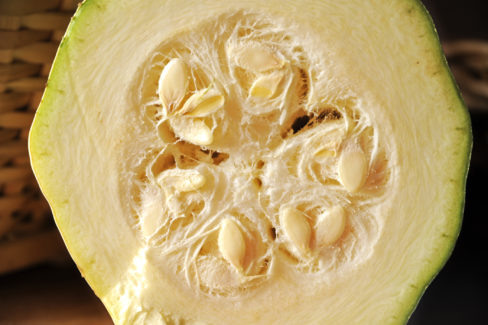
- Slice it open lengthwise and scrape out the seeds.
- Dry the seeds thoroughly, and they’re ready for next spring!
Quick Tip: If the pulp is sticking to the seeds, put them in a bowl with a little water for a day or two. This light fermentation helps the gunk slide right off. Then, just rinse them in a sieve and dry them well!
A Word of Caution: Watch Out for Ornamental Gourds!
If you’re planning on saving seeds, keep an eye on your neighbors’ gardens. If there are ornamental gourds growing nearby, they can cross-pollinate with your zucchini.
Ornamental gourds contain toxic bitter substances called cucurbitacins. If a cross happens, the seeds you save might grow zucchini that are dangerously bitter and toxic next year. Rule of thumb: If a homegrown zucchini tastes bitter, spit it out and toss the plant!
Saving your own zucchini seeds is a fun and rewarding hobby. Just to stay on the safe side, it’s a good idea to buy fresh, certified seeds every two or three years to ensure your garden stays healthy and delicious.