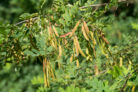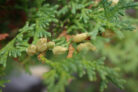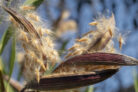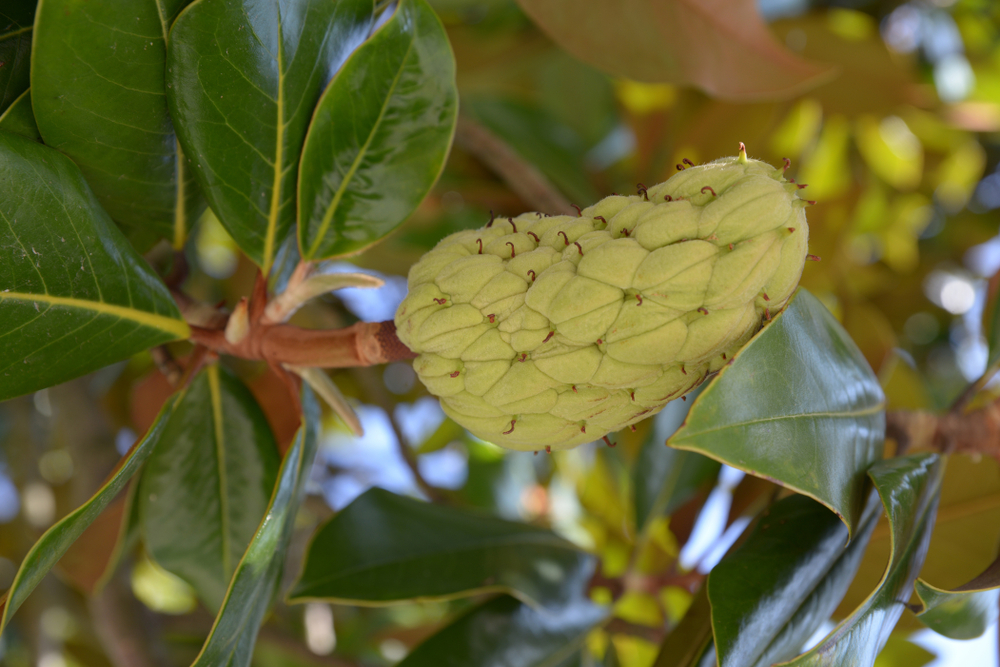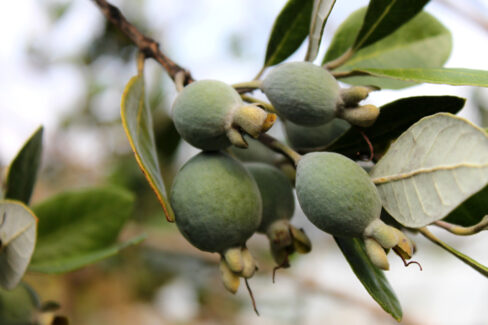
Down under in Australia, locals call them “gumnuts,” a cute nickname that perfectly describes their unique, woody shape. If you’ve spotted some strange little pods on your plant, here’s everything you need to know about identifying eucalyptus fruit so you can tell exactly what you’re looking at.
What Makes “Gumnuts” So Special?
The name Eucalyptus actually comes from the fruit capsule itself! It’s derived from two Greek words: *eu*, meaning “well” or “beautiful,” and *kalyptos*, meaning “covered” or “capped.” Put them together, and you get “well-capped.” The ancient Greeks chose this name because of the beautifully shaped flower buds that are protected by a tough, green cap before they bloom.
Quick Facts About the Fruit:
- Type: Capsule
- Shape: Cone-shaped or valve-like
- Texture: Dry and woody
- Key Feature: Tiny openings at the tips
As the fruit matures, it dries out and shrinks into a small, hard capsule. They end up looking a bit like a bicycle valve or a tiny, rustic nut. Once they reach this stage, they often drop from the tree. If you find these little “gumnuts” scattered under your plant, you’ve officially found the fruit! Just keep in mind that depending on your location, your tree might not always produce them.
Characteristics and Uses
These pods develop from the flowers and are the tree’s way of spreading its legacy. The tiny seeds eventually drop out of the small openings at the ends of the capsules. However, don’t be discouraged if you don’t see any; not every eucalyptus will bloom. If you’re growing yours as a houseplant or in a container indoors, it’s pretty common for the plant to skip the flowering and fruiting stage altogether.
One very important tip: Eucalyptus fruit is definitely not for snacking! While we all love eucalyptus for clearing up a stuffy nose, those products are made from the leaves, not the fruit. The fruit is actually mildly toxic if eaten, so keep them out of the kitchen and enjoy them as a cool garden curiosity instead.