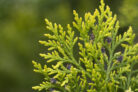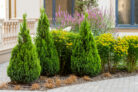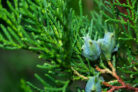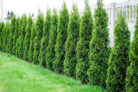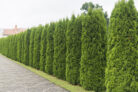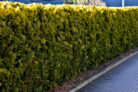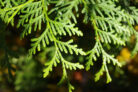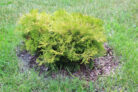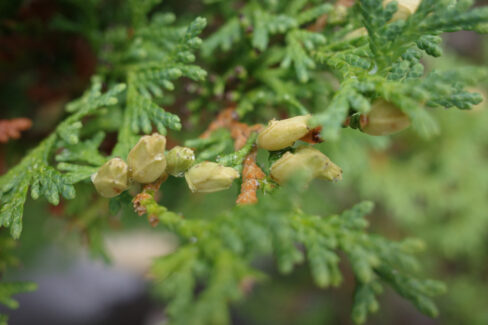
Depending on which variety you have in your yard, your Thuja (Arborvitae) might produce a handful of seeds or a whole bunch of them. Generally speaking, you don’t *have* to remove them—especially if you have a long hedge, where the task would be nearly impossible. However, for certain varieties or situations, it’s definitely worth the effort.
When should you remove Arborvitae seeds?
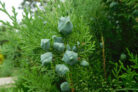
As soon as the weather starts to cool down, you’ll likely notice those first little seed cones appearing. It’s not strictly necessary to strip the seeds or fruits, even if your tree seems to be overachieving this year. That said, Thuja seeds are particularly toxic. If you have little ones or pets running around the yard, it’s a smart move to clear them out. You can even get ahead of the game by trimming off the flower clusters before the seeds even form.
If you have a ‘Smaragd’ (Emerald Green) Thuja, you’ll notice it rarely produces seeds. That’s because making seeds takes a lot of energy! To help your tree focus that energy on growth and strong roots instead, it’s a good idea to pluck the seeds off, especially on standalone specimen trees. While you might not be able to clear an entire hedge, snipping off the ones you can easily reach still helps the plant out.
Why is my Thuja producing so many fruits?
If your Arborvitae is suddenly covered in way more fruit than usual, it might be sending out a “stress signal.” When these trees feel their health is declining, they go into overdrive to reproduce as a survival tactic before they die off. If you see a massive seed explosion, check for these common stressors:
- Bone-dry soil
- Extreme heat waves
- Waterlogging (too much water)
- Lack of nutrients
- Over-fertilizing (nutrient burn)
What’s the best way to remove the seeds?
You can easily snip the seeds off with garden shears or even just pinch them off with your fingers. Just make sure you’re wearing gloves! Thuja can cause skin irritation or allergic reactions for some people. One pro tip: don’t toss those seeds onto your compost pile, or you might find a forest of tiny Arborvitae seedlings sprouting where you don’t want them.