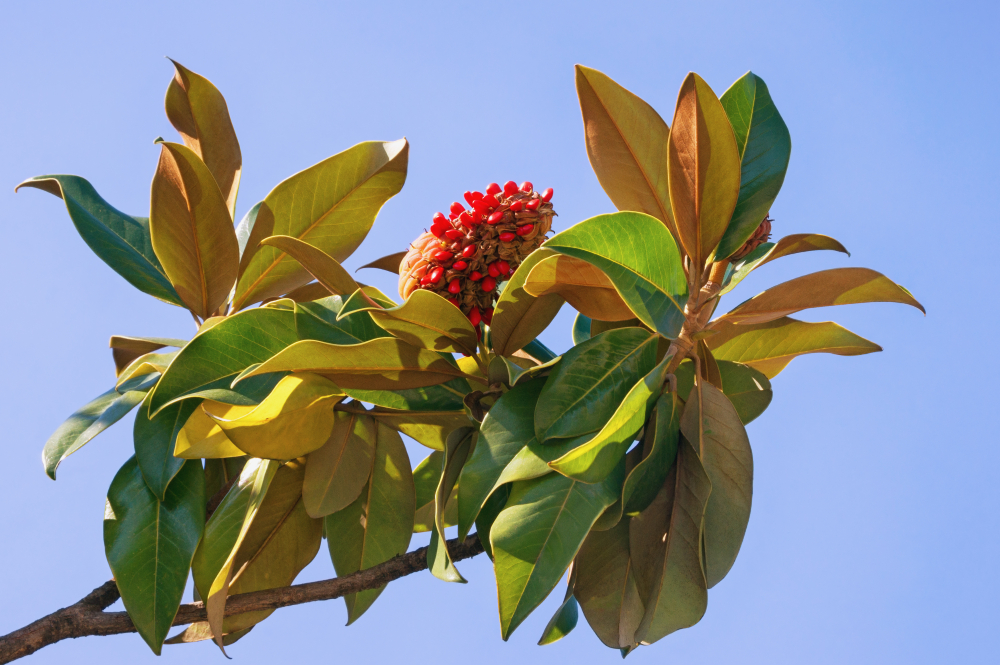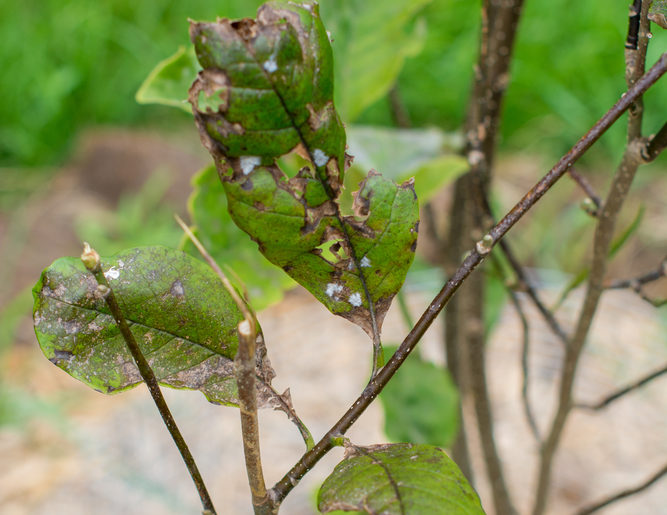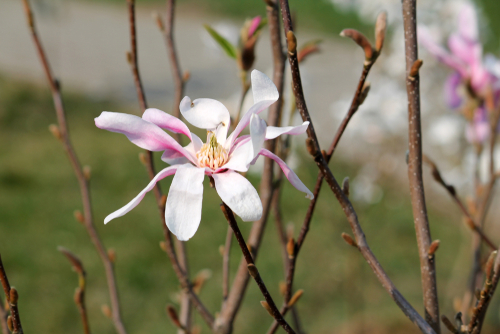
Most of us home gardeners fall head over heels for magnolias because of those show-stopping spring blooms. But did you know that the fruits that pop up later in the season are actually pretty cool-looking too? Just a heads-up, though: as pretty as they are, magnolia fruits are definitely not for snacking—they contain toxins that make them inedible for humans. Still, these unique pods are more than just eye candy.
A Truly Unique Fruit
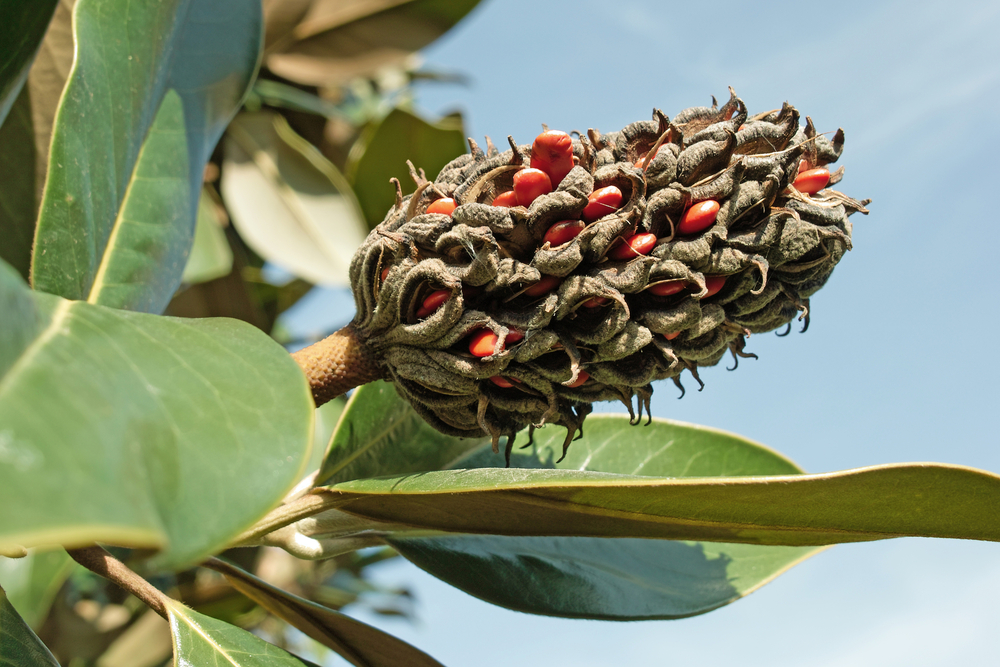
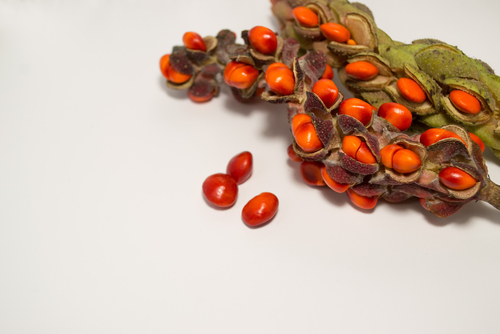
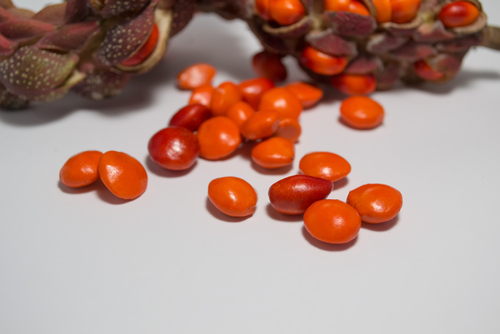
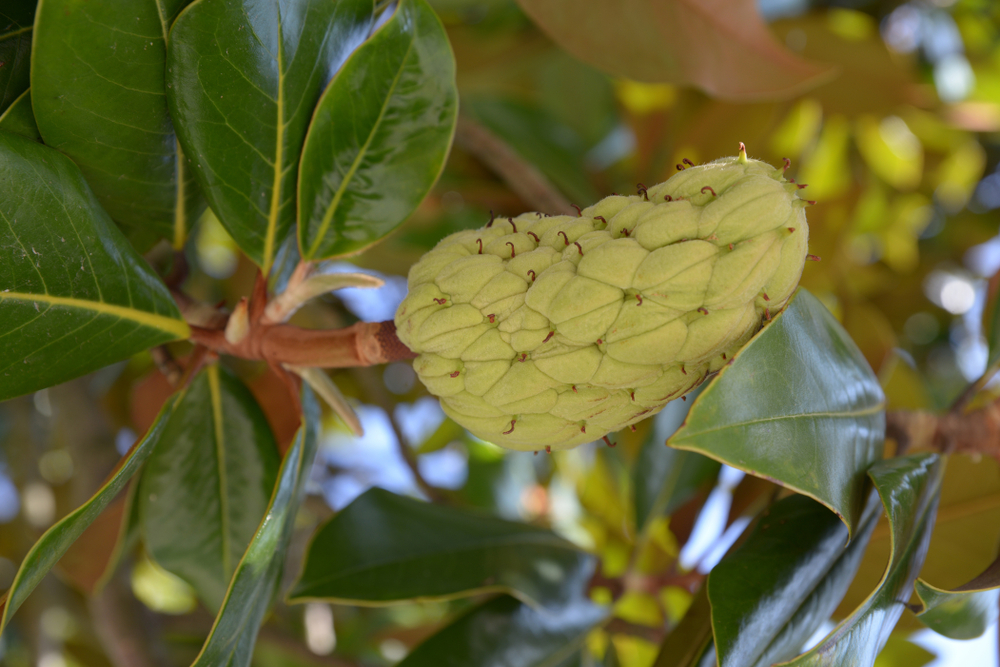
When they first start growing, magnolia fruits look a lot like pine cones. That’s actually no coincidence! The magnolia produces what’s known as a “follicle” fruit, which is one of the most ancient types of fruit in the plant world. They belong to a group called dehiscent fruits, which basically means they are “explosive” or “scattering” fruits. They don’t just look like pine cones; they act like them too. Once they ripen, the pods split open to reveal bright reddish seeds tucked inside.
Look, But Don’t Taste
Even though they look interesting, that vibrant exterior isn’t meant to be an invitation for a snack. In the wild, only specific birds eat these seeds—and usually only in the magnolia’s native habitats across East Asia and the Americas. Here in other regions, even the local birds tend to give them a pass. You definitely shouldn’t try them yourself, as the compounds inside are toxic.
Harvesting Your Own Seeds
The good news is that the toxicity only matters if you eat them. You can totally use the dried fruits as unique natural decor around the house! However, the real value of these fruits is for gardeners looking to propagate their own trees. Just a fair warning: growing magnolias from seed takes a lot of patience and effort because they are “cold germinators.” This means the seeds need a winter chill to wake up. Here’s the play-by-play:
- Remove the seeds from the fleshy fruit pod.
- Give them a good wash in lukewarm water.
- Pack them airtight in a bag with some moist sand and pop them in the fridge.
- After several months of “winter” in the fridge, sow them in a clay pot.
- Cover them with just a thin layer of soil—no deeper than the thickness of the seed itself.