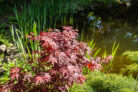
If your Japanese Maple is starting to look crispy and dried out, don’t panic! There are a few different reasons why this might be happening. Let’s walk through how to play detective, find the root of the problem, and get your beautiful tree back on the road to recovery.
Is your Japanese Maple suffering from heat and sun scorch?
Sunburn is actually a pretty common issue for the Japanese Maple. It can cause the leaves to go limp and eventually make the whole tree look parched. If your maple is sitting in full sun and the soil feels bone-dry, your tree is likely just thirsty and heat-stressed. To be sure, take a close look at the bark for any weird changes and double-check that soil moisture level.
How do I fix a dried-out Japanese Maple?
First things first: prune the branches back until you hit healthy wood. After that, you might want to consider moving your maple to a better spot. These trees love a location where the leaves are protected from that intense, scorching midday sun. Give your weakened tree a boost with some fertilizer and make sure it’s getting plenty of water. With a little TLC, you can often save a tree that looks like it’s on its last legs.
Can too much water actually cause a tree to dry out?
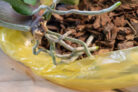
It sounds totally backwards, but “wet feet” can actually cause a Japanese Maple to dry out while standing in water. When the soil is waterlogged, the shallow roots begin to rot. Once the roots are gone, they can’t send water up to the rest of the tree. If your maple looks wilted but the soil is soaking wet or smells a bit funky/rotten, you’ve got a drainage problem that needs to be fixed ASAP.
Is Verticillium Wilt the culprit?
Take a good look at the bark. Do you see any slimy discharge or fungal spores? If the bark is cracking, oozing, or if you see dark, discolored rings inside the wood when you prune a branch, you’re likely dealing with Verticillium wilt rather than just a thirsty tree. If this is the case, prune away the infected areas aggressively, throw the clippings in the trash (not the compost!), and replant the tree in fresh, clean soil.
How can I prevent my Japanese Maple from drying out?
The best offense is a good defense! Pick a spot with dappled shade and mulch the area around the base of the tree. A less sunny location keeps the soil from baking, and a good layer of mulch locks in moisture, ensuring your tree stays hydrated even during those blistering summer months.
Pro Tip: A little fertilizer goes a long way!
Feeding your Japanese Maple with the right nutrients during the growing season is a game-changer. A well-fed tree is a strong tree! It’ll be much better at handling environmental stressors like extreme heat without shriveling up.