For most of us plant parents, the whole point of a decorative plant is that gorgeous, recurring bloom. But here’s the thing with Bromeliads: they’re a bit of a “one-and-done” deal. In most cases, a Bromeliad will only flower once in its entire lifetime.
How long does a Bromeliad bloom last?
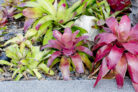
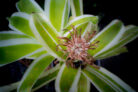
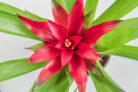
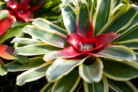
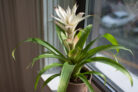
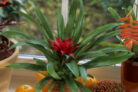
It might take a few years for your Bromeliad to finally bloom, but once it does, it puts on a show for about three to six months. Fun fact: the actual flowers are usually pretty tiny and subtle. The real stars are the brightly colored “bracts” (modified leaves) surrounding them. Depending on the variety, these can range from sunny yellows and oranges to hot pinks and brilliant reds.
Should I just toss my Bromeliad after it fades?
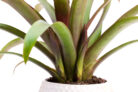
Hold on! Don’t head for the compost bin just yet. Even when the bloom has dried up, the plant is entering an exciting new phase: it’s starting to grow “pups” (baby plants). Your Bromeliad actually needs your help during this transition. A quick heads-up: cutting off the spent flower won’t extend the mother plant’s life—in fact, it can sometimes shorten it. If you cut too early, you might miss out on the chance to grow your own new generation of plants.
How do I care for a Bromeliad after it flowers?
Keep your Bromeliad in its favorite warm, bright spot and stick to your usual care routine. You’ve likely been fertilizing it regularly during its growth and flowering phase; keep that up, but don’t feel the need to increase the dosage now.
When it comes to watering, use room-temperature rainwater or filtered water (they aren’t fans of lime). The best way to water is to pour it directly into the leaf rosette, keeping the water level fairly consistent. Your Bromeliad will also love a little extra humidity, so feel free to mist it occasionally with that same filtered water.
When can I separate the “pups” from the mother plant?
It usually takes about three to four months for the offsets to get big enough to survive on their own. Before you move them, they should have a clearly defined leaf rosette and several visible roots. A good rule of thumb is to wait until they are about half the size of the mother plant. Once you’ve separated them, give each pup its own individual pot.
Quick Summary:
- Leave the withered bloom on the plant.
- Continue caring for the mother plant as usual.
- Don’t move the plant to a new location.
- Only separate the young plants once they have clear roots and rosettes.
- Pot the pups individually or mount them as epiphytes.
- Make sure the humidity stays nice and high.
Pro Tip: If you keep pampering your Bromeliad after the flowers fade, you can successfully propagate it and enjoy a whole family of new plants for years to come!