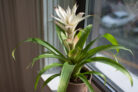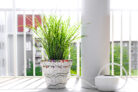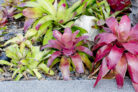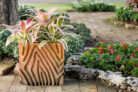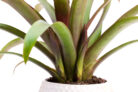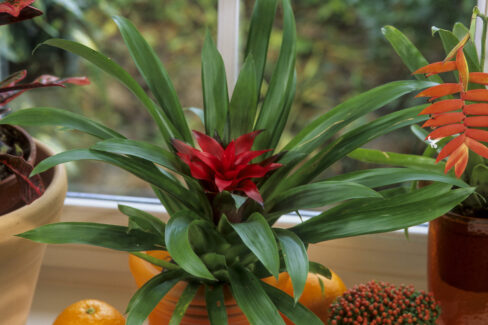
Just like any other ornamental plant, your bromeliad needs the right nutrients to really thrive. But here’s a cool fact: these plants don’t just “eat” through their roots in the soil—they also soak up nutrients through their leaves! That’s why getting your fertilization routine down is key.
Do bromeliads need regular fertilizing?
The short answer is yes, but don’t go overboard! Bromeliads prefer a “less is more” approach. A light feeding every two to three weeks is plenty. Your main fertilizing window is from April through October. If your bromeliad happens to be blooming or has just finished flowering, keep up the routine—it still needs that energy!
Why should I fertilize a bromeliad that’s done blooming?
Once the flower on your bromeliad dries up, the plant enters a high-energy phase: reproduction. It puts all its remaining strength into growing “pups” (baby plants) before the mother plant eventually fades away. To get healthy offshoots, you need to keep those nutrients coming. Once the pups are big enough, you can separate them and say goodbye to the original mother plant.
What’s the best fertilizer for bromeliads?
Good news: you don’t need to hunt down a “specialty” bromeliad fertilizer. A standard liquid houseplant fertilizer works just fine. Simply mix it into your watering can. When you water with the fertilizer mix, aim for the soil at the base of the plant rather than pouring it directly into the central “cup” or rosette.
How do I fertilize a mounted bromeliad?
If your bromeliad is mounted (growing on wood or bark rather than in a pot), watering can be a bit tricky. In the summer, it’s best to mist the plant daily with soft, lukewarm water. Every week or two, just add a tiny bit of liquid fertilizer to your spray bottle. During the winter, you can scale back the misting and skip the fertilizer altogether.
Quick Takeaways:
- Fertilize regularly but sparingly.
- No special fertilizer needed; standard liquid fertilizer is perfect.
- Add fertilizer to your watering can or spray bottle.
- Schedule: Every 2 to 3 weeks from April to October.
- Keep feeding even after the bloom has faded.
Pro Tip: If you’re ever unsure about how much fertilizer to use, always err on the side of caution and use a weaker dose. It’s much easier to add more later than to fix over-fertilized roots!