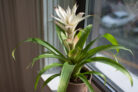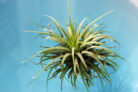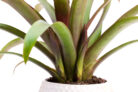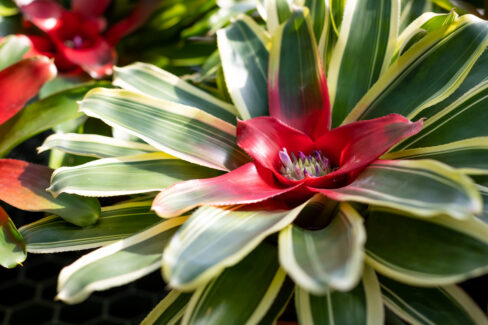
With their striking pineapple-like leaf rosettes, bromeliads are a total showstopper on any windowsill—especially when they’re in bloom. Plus, because they’re so low-maintenance, they’re a favorite for adding a splash of green to office spaces.
What do bromeliad flowers actually look like?
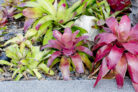
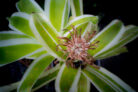
Believe it or not, the “true” flowers of a bromeliad are actually tiny and pretty easy to miss. In most cases, they dry up after just a few days. The vibrant, colorful parts in the center of the rosette that everyone loves are actually “bracts” (modified leaves), which people often mistake for the flower itself. These colorful bracts stick around for a long time, which is exactly why these ornamental plants are so popular!
How often does a bromeliad bloom?
Most bromeliad species only bloom once in their entire lives, and then the main plant begins to die off. You should expect the same from your indoor variety. But don’t worry—they are still totally worth it! That blooming period can actually last for several months.
What happens after the bloom fades?
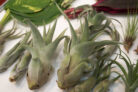
Once the bromeliad has finished blooming, the mother plant will slowly start to fade away. However, during this time, she’s busy producing “pups” (offshoots). That’s why you should keep watering and fertilizing your plant just like you always have. Your reward for that extra care won’t just be one new plant, but potentially several! Leave the pups attached to the mother plant until they are strong enough to survive on their own.
When can I remove the pups?
Wait until the offshoots have a leaf rosette at least four inches (ten centimeters) wide and show clearly visible roots. At that point, you can carefully separate them from the mother plant and pot them up individually. They’ll need a bright spot to grow, but make sure to keep them out of harsh, direct sunlight.
Quick Summary:
- Generally blooms only once, then the mother plant dies.
- The actual flowers are small and inconspicuous.
- The colorful bracts are what people usually mistake for the bloom.
- Continue normal care until the plant has produced pups.
- Repot the pups once they have their own roots and a well-defined rosette.
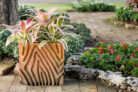
Pro Tip: Bromeliads come in a huge variety of colors, so you can find bracts to match almost any decor!