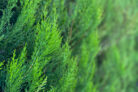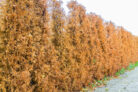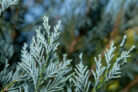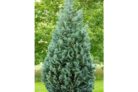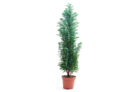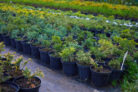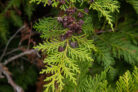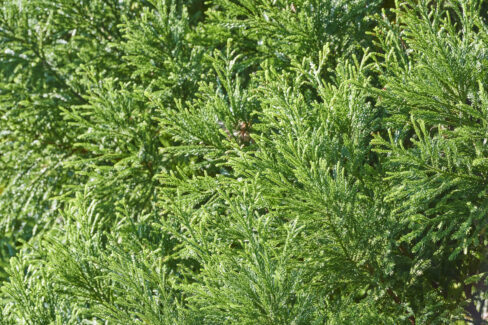
False Cypresses are total rockstars in the garden because they grow fast and are incredibly hardy. However, if you want them to really thrive, you’ve got to give them a little extra love—especially in those first few years when they’re getting established.
Start Fertilizing at Planting Time
If you’re planning to plant your False Cypress directly in the garden, a little prep work goes a long way. To make sure your tree has a steady supply of nutrients from day one, keep these tips in mind:
- Loosen up the soil well so the roots can breathe.
- If your soil is too acidic, consider adding a bit of lime.
- Mix in some horn meal or organic compost to give the soil a natural boost.
Keep Young Trees Well-Fed
When your False Cypress is still a “junior,” it needs a bit of a helping hand. Since the root system hasn’t spread out deep enough to find its own food yet, regular fertilizing is key. I recommend using a specialized cypress fertilizer or a high-quality organic alternative to keep them growing strong.
Older Trees are Self-Sufficient
The great thing about mature False Cypresses? They’re pretty low-maintenance. Once they’ve established a wide, dense root system, they’re perfectly capable of pulling all the nutrients they need right from the surrounding soil.
The Magic of Mulching
If you want to make your life easier, try mulching! It’s honestly one of the best things you can do for your trees. Not only does it provide a slow-release “buffet” of nutrients, but it also helps the soil stay consistently moist and keeps those pesky weeds from moving in.
You can use almost any organic garden waste for your mulch layer—think compost, grass clippings, fallen leaves, or straw. Just spread a fresh layer under your trees in the spring and fall, and let nature do the rest of the work for you.
Feeding Potted Trees and Bonsais
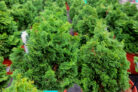
If you’re growing your False Cypress in a container or as a bonsai, the rules change a bit. Because these plants have limited soil space, they can’t hunt for nutrients on their own. You’ll need to fertilize them regularly throughout their entire lives.
One word of caution: be careful with the dosage! It’s easy to overdo it with specialized fertilizers, and “over-feeding” can actually damage or even kill your tree. Always stick to the instructions on the package—more isn’t always better!