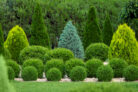
The False Cypress is a real standout in the garden, mostly because it grows so incredibly fast. But because it’s such a speedster, keeping up with regular pruning is key. Trimming doesn’t just keep it from taking over your yard; it ensures your plant stays thick, lush, and looking its best.
When is the best time to prune?
Technically, you can trim a False Cypress any time of year. However, if you want to work with the plant’s natural growth cycle, spring and fall are your best bets. Pruning during these windows helps the plant recover quickly and encourages fresh new growth.
Choosing a shape
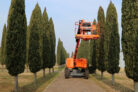
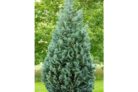
When it comes to styling, the sky is the limit! You can prune a False Cypress into just about any shape that suits your taste. And since they grow so fast, don’t sweat it if you make a mistake—it’ll grow back before you know it. A columnar or pillar shape is a particularly smart choice; it allows sunlight to reach the bottom branches, which prevents the base from getting “leggy” or bare. Other fan-favorites include:
- A classic cone shape
- A crisp, straight hedge
- An artistic bonsai
Trimming a False Cypress hedge
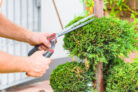
If you’re growing a False Cypress hedge, the secret to success is “a little and often.” Regular, light trims will keep it looking tidy. Just snip back any stray shoots that are getting too tall or wide to maintain that clean, uniform look.
Pruning for Bonsai
Creating a False Cypress bonsai is all about precision. While shaping the branches is important for the aesthetic, don’t forget about the roots! Root pruning is essential here to keep the tree miniature and prevent it from outgrowing its pot.
A golden rule: Avoid the old wood
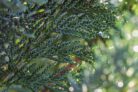
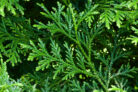
Here’s a pro tip: always stick to trimming the green, leafy tips and avoid cutting back into the “old wood” (the brown, interior branches). False Cypress won’t sprout new growth from old wood; instead, those spots will just stay brown and bare. Always make sure to leave a little bit of green growth on the branch so it can keep thriving.
What to do with the clippings
Whatever you do, don’t toss those clippings into your compost pile! False Cypress contains essential oils that are toxic to some critters and can actually slow down the composting process. It’s best to dispose of them in your regular household trash or green waste bin.
On the bright side, you can repurpose the clippings as mulch around your garden beds. Plus, since these plants are so easy to propagate, you can take those longer cuttings and turn them into brand-new baby plants!