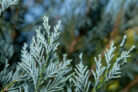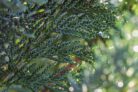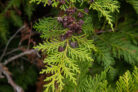
False Cypress (Chamaecyparis) is known for being incredibly tough and resilient, which is why it’s a favorite in so many yards. For the most part, diseases and pests leave it alone. However, even the hardiest plants can run into trouble sometimes. Let’s take a look at the most common issues you might face and how to fix them.
Common Issues for False Cypress
It’s pretty rare for a False Cypress to get sick, but when it does, the culprits are usually:
- Fungal infections
- Pests like leaf miners,
- Bark beetles, or
- Engraver beetles.
Dealing with Fungus
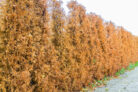
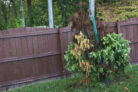
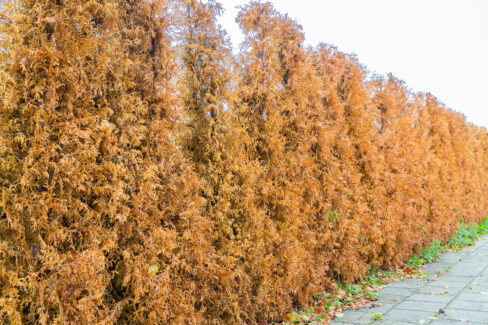
If your False Cypress has a fungal problem, you’ll usually notice brown tips on the branches that eventually die off and drop. The best move here is to grab your shears and prune away the affected areas generously. Make sure to toss those clippings in the trash rather than the compost pile so the fungus doesn’t spread to the rest of your garden.
To keep fungus away in the first place, pick a sunny spot with plenty of airflow. These plants hate “wet feet,” so avoid soggy soil and standing water. Damp, stagnant conditions are basically an open invitation for fungi to move in.
Handling Pest Problems
Every now and then, pests might be the reason your branches are dying back. Many of these bugs can be managed with specific treatments or insecticides. Pruning back the infested parts—or even doing a more radical cutback—can also help by giving the pests fewer places to hide and feed.
If the infestation has gotten so bad that even a heavy pruning doesn’t help, it might be time to dig the tree up and say goodbye to protect the rest of your landscape.
Prevention is the Best Medicine
While there’s no magic shield to 100% guarantee your plants won’t get sick, a healthy, vibrant tree is much better at fighting off invaders and bouncing back from stress. Keeping your False Cypress happy is your best line of defense!
Make sure it’s planted in a bright, sunny spot with nutrient-rich soil. You’ll want to water it regularly but always ensure the soil drains well. Don’t forget that regular fertilizing and a light trim now and then go a long way. Also, give your plants some breathing room—proper spacing between plants helps prevent diseases from jumping from one neighbor to the next.
Red Tips? Don’t Panic!
If you notice the tips of your False Cypress turning red instead of brown during the summer, don’t worry—it’s likely not a disease or a bug. It’s actually just a little “sunburn” from intense sunlight. You can simply snip those red tips off, and your plant will be just fine.