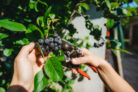
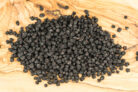
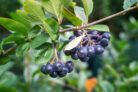
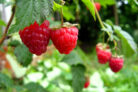
The Aronia berry (also known as Chokeberry) is a total rockstar in the garden—it’s incredibly hardy and low-maintenance. That said, even the toughest plants appreciate a little boost! Using the right fertilizer ensures your Aronia stays lush and produces plenty of those nutrient-packed berries.
How do I fertilize Aronia?
When it comes to feeding your Aronia, stick to natural and organic fertilizers. These provide a steady stream of nutrients without overwhelming the plant. Compost is also a fantastic choice. Just a heads-up: if you’re growing Aronia in containers, they’ll need a bit more frequent feeding than those planted directly in the ground.
What’s the best fertilizer for Aronia?
Organic plant food is your best bet. You can easily spread it across your garden beds or mix it into the soil when repotting or transplanting.
Here are some great organic options:
- Manure (check with a local farmer!)
- Dehydrated cow manure pellets (easy to find at your local garden center)
- High-quality organic all-purpose fertilizer
I’d recommend staying away from harsh chemical or mineral fertilizers.
Can I use compost for my Aronia?
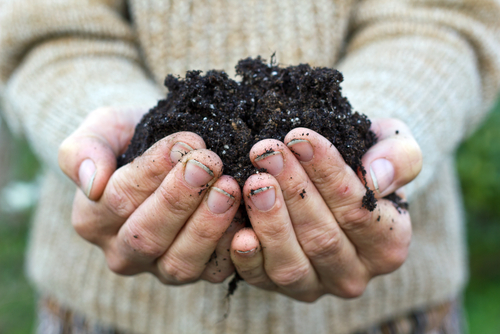
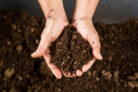
Absolutely! Compost and fresh humus are perfect for Aronia, especially since these plants love soaking up the sun in bright spots. Whether you make your own “black gold” in a backyard bin or buy high-quality composted potting soil, your plants will thank you. It’s the best way to support those super-healthy berries we all love.
When is the best time to fertilize?
Timing is everything! The sweet spot for fertilizing your Chokeberries is during April and May. At this point, the first leaves have usually popped out, but the blossoms haven’t opened up yet.
How often should I fertilize?
Aronia is a “moderate feeder,” so there’s no need to go overboard. For garden plants or an Aronia hedge, once a year is usually plenty. You only need a second round if the soil is particularly poor. However, potted plants have a limited supply of soil, so they benefit from more regular feeding—horn meal is a great organic supplement for these container beauties.
Does the soil type matter?
Definitely. The quality of your soil dictates how much help your plant needs. If you have rich, well-balanced garden soil, you might not need to fertilize at all! On the other hand, if you’re dealing with nutrient-poor or sandy soil, adding organic matter is essential to keep the plant happy.
Are there any DIY home remedies for fertilizing?
If you want to give your Aronia—which is actually native to North America—a little “snack” between regular feedings, you probably already have what you need in your kitchen!
Try these household hacks:
- Cooled water from boiling eggs (it’s full of minerals!)
- Used coffee grounds
- Homemade nettle tea (Soak nettles in water at a 1:10 ratio in a warm spot for 14 days, stirring daily. Dilute it 1:10 again with water before using.)
Pro Tip: A truly low-maintenance plant
The best thing about Aronia? It’s not just easy to feed—it’s easy to care for across the board. It’s incredibly frost-hardy and breezes through tough winters. You only need to prune it once a year to thin out dense branches, and once the plant is over two years old, you really only need to water it during extreme heatwaves.