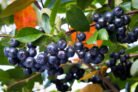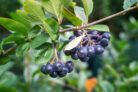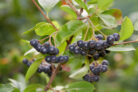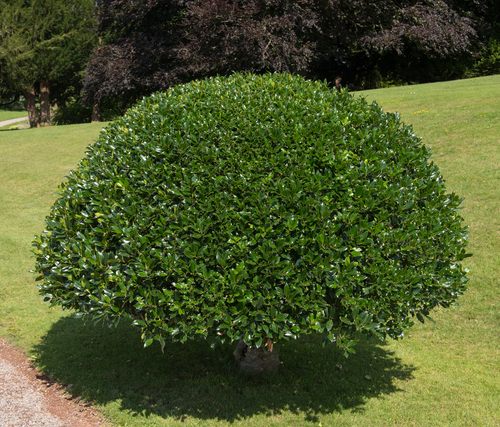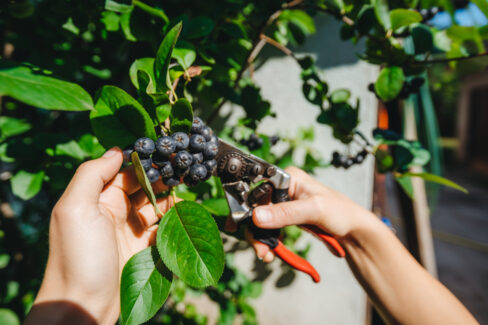
Aronia shrubs (also known as chokeberries) are famous for being super low-maintenance. However, if you want to keep them from taking over your garden, a little pruning goes a long way. Not only does it keep the shrub’s size in check, but it also encourages better branching and—most importantly—way more flowers and berries!
Start Strong with a Training Cut
Once you’ve planted your Aronia, it’s a great idea to give it a “training cut” during its first few years. This helps the plant establish a solid shape and encourages it to branch out. Simply thin out any shoots that are growing too close together and head back the main stems. This trick forces the plant to develop more side branches, leading to a much fuller, healthier crown.
Give Older Plants a Refresh with Rejuvenation Pruning
If you have an older, sprawling shrub that’s stopped blooming as much as it used to, it’s time for some rejuvenation. To fix this, remove the oldest main branches and shorten some of the base stems. This “reset” stimulates fresh growth and gets those fruit yields back up where they should be.
How to Prune Your Aronia Like a Pro
The good news? Aronia is incredibly hardy, so it’s pretty hard to mess this up. You can be as conservative or as aggressive as you like. Here’s a quick step-by-step guide to getting it right:
- Grab a pair of sharp pruning shears and wear gloves and sturdy clothes to protect yourself.
- Identify the branches you want to remove and cut them just above a bud.
- Make your cuts at a slight angle so water doesn’t pool on the wound.
- Thin out any branches that are tangled or crossing over each other.
- Keep the central leader (the main upright stem) intact to maintain the shrub’s structure.
- If the leader is getting too tall, you can give it a light trim.
When is the Best Time to Prune?
You don’t need to do this every year—once every two or three years is usually plenty. The best time to head out with your shears is late fall or early winter, right after the harvest. At this point, the sap isn’t flowing as actively, which allows the plant to recover quickly without any stress.