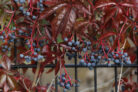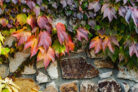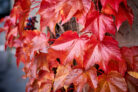
Generally speaking, Virginia Creeper loves nutrient-rich soil. While you don’t necessarily *have* to fertilize it on a strict schedule, there are definitely times when giving your vines a little extra boost makes all the difference.
The Perfect Soil for Virginia Creeper
When you’re picking out the best spot for your Virginia Creeper, don’t forget to check the soil quality. Ideally, you want soil that is loose and packed with nutrients. If the ground is already healthy, your plant will pull everything it needs right from the earth, and you usually won’t need to worry about extra feedings.
Start Strong: Fertilizing at Planting
Give your young vines a head start by prepping the soil right when you plant them. This ensures they have plenty of fuel for that famous rapid growth right from day one. I recommend mixing some compost or horn meal into the soil to get things moving.
Feeding Established Garden Vines
If your Virginia Creeper is planted directly in the ground, a nice layer of compost, horn meal, or well-rotted manure in the spring is usually plenty. If your soil is already in good shape, that’s likely the only “snack” your vine will need for the rest of the year.
Caring for Potted Vines
It’s a different story if you’re growing your Virginia Creeper in containers. Since the roots can’t reach out into the ground to find nutrients, they rely entirely on you! Start with a good fertilizer mix when potting, and then follow up regularly with a liquid fertilizer or handy fertilizer spikes to keep the foliage lush.
Choosing the Right Fertilizer
You’ve got a few options when it comes to picking a fertilizer. It really comes down to two main categories:
- Inorganic (mineral) fertilizers
- Organic fertilizers
Inorganic Fertilizers
You can find these at any local garden center. You can choose between liquid fertilizers, which you’ll mix into your watering can every so often, or slow-release options like granules or spikes that feed the plant over a longer period.
Organic Fertilizers
If you prefer the natural route, mature compost, manure, or horn meal are fantastic choices. Just mix a good amount into your garden soil or potting mix. In the spring, you can also lightly work some organic matter into the top layer of the soil. These natural options break down slowly over time, providing a steady “slow-drip” of nutrients directly to the roots.