In their native habitats, avocado trees grow into massive, impressive giants. If you’ve successfully sprouted your own pit into a little houseplant, you’ll need to keep up with a regular feeding schedule to keep it thriving. Here’s the lowdown on how to keep your avocado tree happy.
The Right Soil
To get an avocado pit to sprout , you can start it off in a high-quality seed-starting mix. After about 6 to 8 weeks of patience, you’ll see those first seed leaves appear. For the first six months of its life, your little plant doesn’t actually need any extra fertilizer—the pit itself is packed with all the nutrients it needs to get started.
When it’s time to move your plant to a bigger pot, a potting soil designed for citrus or palm trees works best. If you prefer to use your own compost, just make sure to mix it with sand (a 2:1 ratio of soil to sand is perfect). After repotting , you can take a break from fertilizing for about 8 to 10 weeks, as the fresh soil will already be loaded with nutrients.
Fertilizing Tips
If you like using slow-release fertilizers when repotting, horn shavings are a great organic choice. Just be careful with the dosage! Avocados aren’t heavy feeders. You should only use about a third of the amount recommended on the package.
Liquid fertilizer is another great option because it’s easy to measure and the plant absorbs it quickly. The same “less is more” rule applies here: use only about a third of the suggested dose. Your best bets are fertilizers formulated for green houseplants, citrus trees, or container plants.
When to Feed
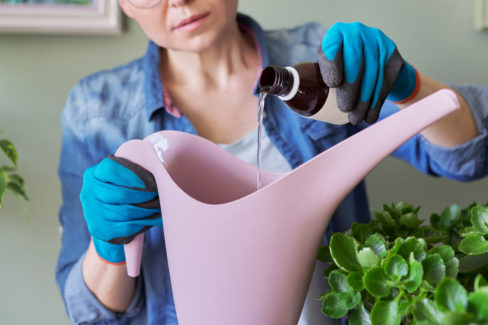
During the active growing season—roughly from April to September—you should feed your plant every two to three weeks. Simply add the liquid fertilizer to your watering can.
In the winter, you can skip the fertilizer entirely. Feeding during the dark winter months can actually backfire; the plant might try to push out new growth, but because there isn’t enough sunlight, those new shoots will end up looking “leggy”—long, thin, and weak.
The Perfect Spot
Avocados are sun-worshippers and love the warmth. During the winter, make sure the temperature doesn’t drop below 45°F (7°C). They can handle a brief dip down to about 37°F (3°C), but they absolutely cannot handle frost. These plants are not cold-hardy !
In the summer, your avocado will love a vacation outdoors. A sunny spot is much better than partial shade.
Pro Tip: A sunroom or conservatory is the perfect place for your tree to spend the winter. During the colder months, cut back on watering and give the leaves a light misting with warm water occasionally—it helps keep pests away!