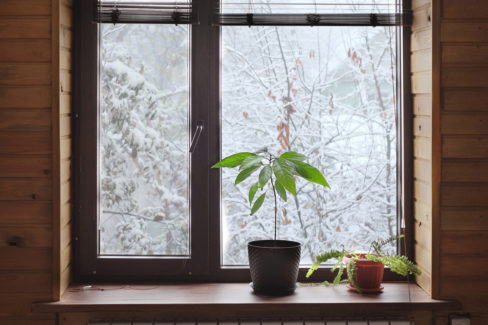
In their native habitats, avocados thrive in the humid, balmy conditions of tropical rainforests. Because of those tropical roots, these plants are definitely not fans of the cold—in fact, a hard frost will kill them. Since they aren’t winter-hardy, your avocado tree has some specific needs when it comes to its winter housing. Here’s everything you need to know to keep your green friend happy until spring.
A Little Botany Lesson
Avocados flourish in mild climates like those found in South Africa, Chile, Mexico, New Zealand, and Israel. They’ve also been cultivated in the Mediterranean since the 20th century. In the wild, these trees can reach a staggering 65 feet in height! It usually takes about 6 to 10 years for a tree to start blooming, but when it does, it produces millions of flowers on large clusters. Interestingly, only about one in every 5,000 blossoms actually matures into a fruit. Depending on the variety, the fruit can range in color from medium green to deep purple or black, and some can even weigh up to two pounds.
The Perfect Summer Spot
Whether you grew your avocado from a pit or bought a young tree, it’s going to want a sunny, warm spot during the summer months. Make sure to water it consistently and give it a little boost with some fertilizer every two to three weeks.
Where to Keep It in Winter
Since avocados can’t handle freezing temperatures, finding a frost-free winter home is a must. A heated sunroom or conservatory is the gold standard for winter housing.
If you don’t have a sunroom, a cool bedroom works great too. Just make sure to place the plant as close to a window as possible. During the cold season, try to keep the temperature between 45°F and 60°F (7-15°C). They can tolerate a brief dip down to about 37°F (3°C), but not for long. As long as they get plenty of light, they should make it through the winter just fine.
Winter Care Tips
Unlike the thirsty summer months, your avocado tree needs very little water in the winter. Before you reach for the watering can, do the “finger test”—stick your finger in the soil to see if it’s dry. Only water if it feels parched. Avocados hate “wet feet” (standing water), especially when it’s cold, as this can quickly lead to root rot. You should also stop fertilizing at the end of September. Once the temperature drops, the plant enters a dormant phase and doesn’t need those extra nutrients.
Dealing with Pests
If winter conditions aren’t quite perfect, your little tree might become a target for pests like spider mites and scale insects. A simple way to fight back is to mist the leaves with lukewarm water. Yellow sticky traps are also great for keeping pest populations down. If you’re dealing with a major spider mite infestation, predatory mites can be a lifesaver. For scale insects, you can usually just wash them off with a mild soapy water solution. Try to keep commercial pesticides as a last resort.
Pro Tip: Giving your tree a radical pruning in the spring is a fantastic way to get rid of lingering pests. Don’t worry—the plant will bounce back with plenty of fresh, healthy growth!