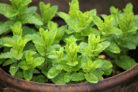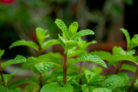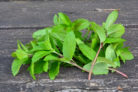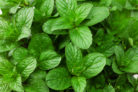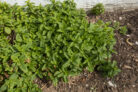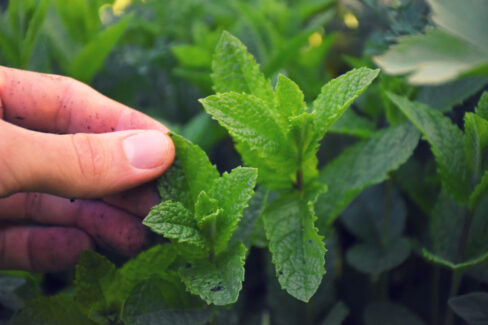
Peppermint is one of those versatile herbs that thrives just about anywhere—whether you’ve got a sprawling garden bed, a patio planter, or a sunny balcony. With a little TLC, it’ll grow like crazy! One of the secrets to a lush, fragrant harvest is knowing exactly how to feed it.
The Right Way to Fertilize Your Mint
Most of us grow peppermint because we love fresh tea or want to add a zingy kick to our cooking. Because you’ll be eating those leaves, you want to steer clear of chemical or mineral fertilizers. These can get stored in the plant’s tissues, which isn’t exactly what you want in your morning brew.
Instead, stick with organic fertilizers. They’re safe for you and great for the plant. Here are some of my favorite options:
- Well-aged compost
- Beef manure pellets
- Guano granules
- Nettle tea (a classic DIY liquid fertilizer!)
- Horn meal or horn shavings
- Wood ash
- Organic liquid fertilizers or fertilizer spikes
Keep in mind that organic fertilizers take a little time to kick in. They need soil microorganisms to break them down before the roots can soak up all that goodness.
When and How to Fertilize
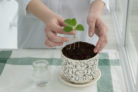
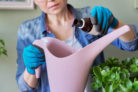
The “when” depends on where your mint is living. A potted plant usually needs a bit more attention than one in the ground. If you’ve just planted fresh mint, hold off on the fertilizer for a while—the nutrients in your potting mix will cover it for the first few weeks. For established garden plants, a little snack every two weeks from May through August is perfect. If you’re growing mint in a balcony planter, you’ll want to fertilize weekly. If your peppermint is in a large container, I recommend refreshing the soil every two years; if you do that, you usually won’t need extra fertilizer in between.
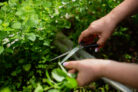
Pro tip: After you fertilize, give the plant a two-week break before harvesting. This ensures the flavor stays crisp and clean. Also, don’t overdo it! Too much fertilizer can actually make the mint lose its signature intense aroma and taste a bit “off.”
Lastly, stop fertilizing before winter hits. You want the plant to harden off; late-season feeding makes the roots tender and more susceptible to frost and disease.
Preparing the Soil Before Planting
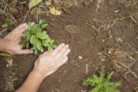
If you’re starting peppermint from seed, a little prep work goes a long way. Start by loosening the soil. If your dirt is heavy or clay-like, mix in some sand to help with drainage—mint hates “wet feet” (standing water). Mix in plenty of compost or well-rotted manure before you plant, and your mint will have a steady supply of nutrients to get off to a flying start!