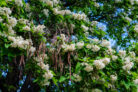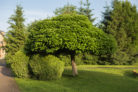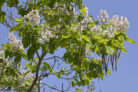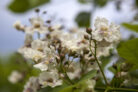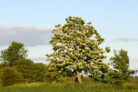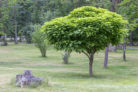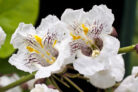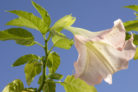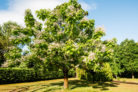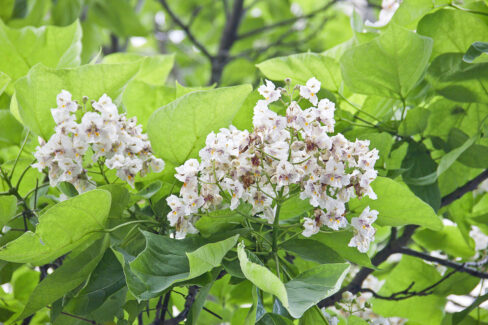
The Catalpa tree (often called the Southern Catalpa or Indian Bean Tree) used to be considered a rare exotic, but it’s become a real backyard favorite across the States lately. If you want to see that impressive, rapid growth these trees are famous for, it all comes down to picking the right spot and making sure they’re getting the nutrients they need.
The Best Fertilizers for Your Catalpa
To keep your Catalpa pushing out those huge leaves and beautiful flowers, you’ll want to give it a little boost with fertilizer every now and then. This is key for both steady growth and a healthy bloom cycle. When it comes to choosing a fertilizer, you’ve got a few great options:
- A standard, high-quality balanced garden fertilizer.
- Organic options like compost or horn meal (which are my personal favorites for long-term soil health).
When and How to Fertilize
The “when” and “how much” really depends on how old your tree is and whether it’s in the ground or a pot. Younger trees and those living in containers are hungrier and need more frequent feedings. Older, established trees are pretty self-sufficient and can usually find what they need in the soil on their own. That said, a nice top-dressing of compost in the spring and fall is a great habit for any tree, regardless of age.
A Quick Word of Caution on Nitrogen
If you’re using a nitrogen-heavy fertilizer, you’ll want to be careful with the dosage. While nitrogen is great for fueling fast growth and lush leaf production, there is such a thing as “too much of a good thing.”
If a Catalpa gets a nitrogen overload, it might skip its blooming phase entirely. The tree puts all its energy into the roots and leaves, leaving nothing left in the tank for those gorgeous flower buds. You basically have to choose: do you want a massive green tree right now, or do you want the flowers? To get a good balance, stick to the recommended dosage on the label or opt for organic alternatives that release nutrients more slowly.
Give Young Trees a Head Start
If you’re just getting started with a young tree or a container-grown specimen, consistency is key. The best time to start is right at the beginning—when you’re planting your young Catalpa, mix some compost or horn meal directly into the soil in the planting hole. This gives the roots an immediate nutrient kick-start and helps the tree establish itself much faster.