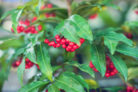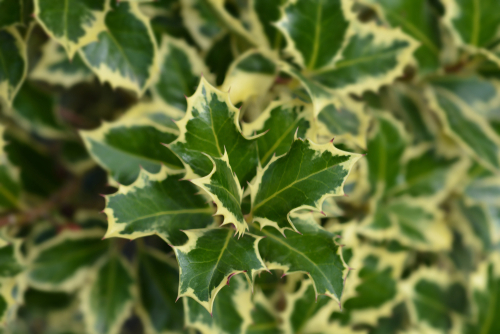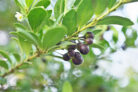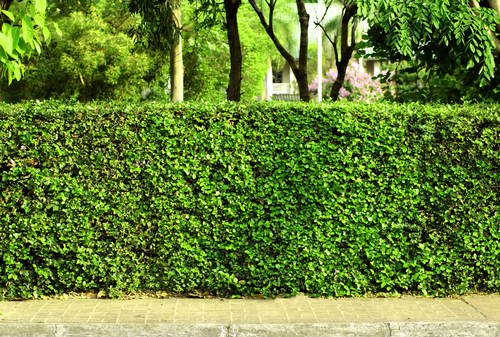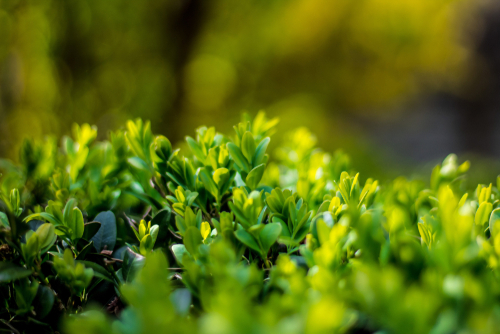
Japanese Holly is pretty low-maintenance, which is great news for us gardeners! Because it’s so easygoing, you actually want to be careful not to overdo it with the nutrients. Here’s the lowdown on how to fertilize your *Ilex crenata*, the best timing for it, and a few pro tips to keep your plants thriving.
The Best Way to Fertilize Ilex Crenata
If you’ve just put your Japanese Holly in the ground, you can actually take a break from fertilizing for a while. As long as you’ve picked a good spot with the right soil, your plant will do just fine on its own during that first year. One big rule of thumb: stay away from fertilizers containing lime. It messes with the soil’s pH levels, and your Holly definitely won’t thank you for it.
The best time to feed your plants is in the spring, right when the growing season kicks into gear. Usually, a little compost mixed with some organic horn meal is all *Ilex crenata* needs to stay happy. You really don’t need fancy chemical fertilizers here. In fact, less is more—over-fertilizing can actually backfire, making your Japanese Holly more susceptible to diseases.
Why Mulching is a Game Changer
One of the best things you can do for your Holly is to apply a nice layer of mulch. It’s like a slow-release nutrient boost and a protective blanket all in one. Mulch helps the soil retain moisture so it doesn’t dry out, and during the winter, it acts as insulation to protect those Ilex roots from the biting cold.
Here are some great materials you can use for mulching:
- Bark mulch
- Shredded leaves
- Grass clippings
Aim for a layer about two to three inches (five to seven centimeters) thick. Any thinner and it won’t really do its job. Just make sure to clear out any weeds before you spread the mulch. Once it’s down, it’ll block new weeds from popping up! Whether you have a single specimen or a full *Ilex crenata* hedge, a clean mulch bed makes the plants pop visually while saving you the headache of constant weeding.