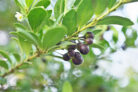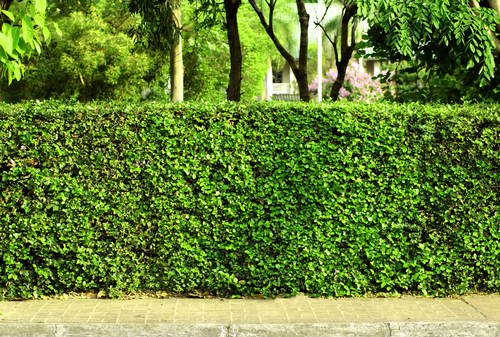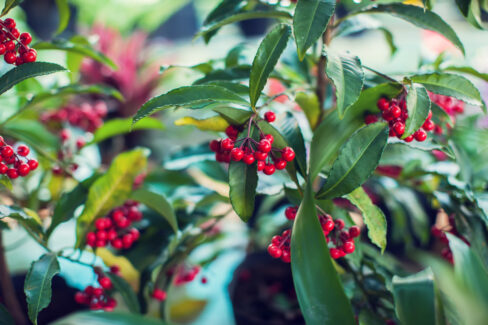
There’s a good reason why *Ilex crenata* has become a go-to for so many gardeners lately, often even beating out the classic Boxwood. Also known as Japanese Holly, this beauty offers those same gorgeous, dense leaves but without being such a magnet for diseases. Today, I’m going to walk you through the few issues you might run into and, more importantly, how to keep your plants thriving.
Japanese Holly is a tough cookie
One of the best things about Japanese Holly is just how hardy it is. If you plant it in the right spot, it’s incredibly low-maintenance. You really don’t have to lose sleep over diseases very often. In fact, if you notice the leaves looking a bit funky, it’s usually a sign of a “care mistake” rather than an actual illness.
Here’s the secret sauce for planting *Ilex crenata*:
- Pick a spot protected from harsh winds.
- Use lean soil that isn’t overloaded with nutrients.
- Make sure the soil is well-draining and doesn’t stay soggy.
Believe it or not, too much fertilizer actually does more harm than good for these plants. You definitely want to avoid over-fertilizing the area. If you feel the need to feed them, stick to organic options like humus. Chemical fertilizers can easily lead to nutrient overload, and you should definitely steer clear of adding lime.
Spotting fungal issues
While rare, some fungi can target Japanese Holly, usually attacking from the roots up. The fungus essentially siphons off the plant’s sap, which can eventually cause it to die off. A big red flag is a foul, rot-like smell coming from the soil. If you notice that “swampy” scent, it’s time to gently dig up the roots and take a look.
If you find mushy, rotting roots or see a white coating on them, you’re likely dealing with a root fungus. To save the plant, trim away all the affected, mushy parts and move the Holly to a fresh, new location with better drainage.
Dealing with nutrient deficiencies
Sometimes your Holly might look a bit “sick” due to a nutrient deficiency. However, this usually isn’t because there’s no food in the soil—it’s often Chlorosis caused by the wrong soil pH. If the pH is off, the plant simply can’t “grab” the nutrients it needs from the earth. You can easily check this yourself with a simple pH test kit from your local garden center.
What about yellow leaves?
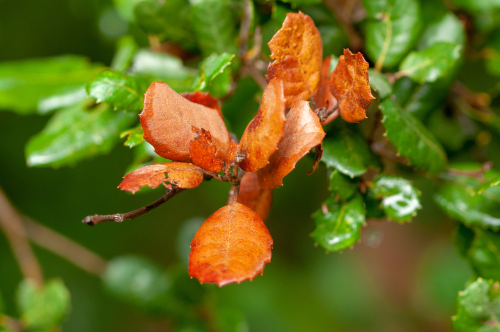
If you see the leaves turning yellow, your Japanese Holly is trying to tell you something is wrong. Most of the time, the culprit is “wet feet”—soil that is just too damp. Check to see if water is pooling around the base or if you’ve been a little too heavy-handed with the watering can.
The goal is to keep the soil from drying out completely, but you never want it to be waterlogged. To prevent standing water, try adding a drainage layer when planting or use a high-quality, porous substrate to ensure the water flows away freely.