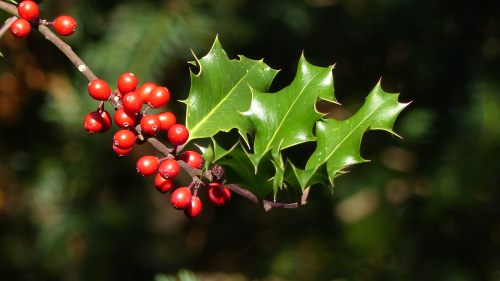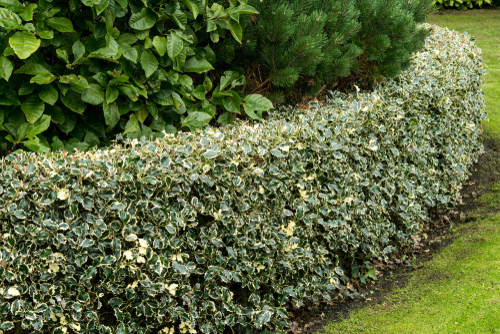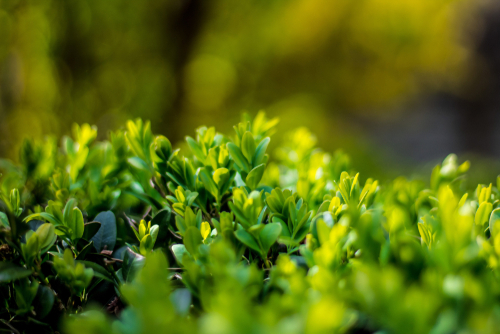
Japanese Hollies (*Ilex crenata*) are becoming a huge favorite for gardeners lately, mostly because they’re the perfect “dupe” for Boxwoods, which have been getting hit hard by the box tree moth. But before you run out to the nursery, there’s one big thing you need to know: every part of this plant is toxic.
Fast Facts About Japanese Holly
Ilex crenata is a slow-growing shrub or small tree that looks gorgeous in just about any landscape thanks to its dainty foliage and those classic berries that pop up in the fall. If you’re looking to plant one, aim for a spot with partial shade and protection from the wind. They love nutrient-rich, slightly moist soil. Because they handle pruning like a champ, they’re a go-to choice for hedges or those fancy topiary shapes in containers and garden beds.
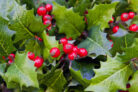
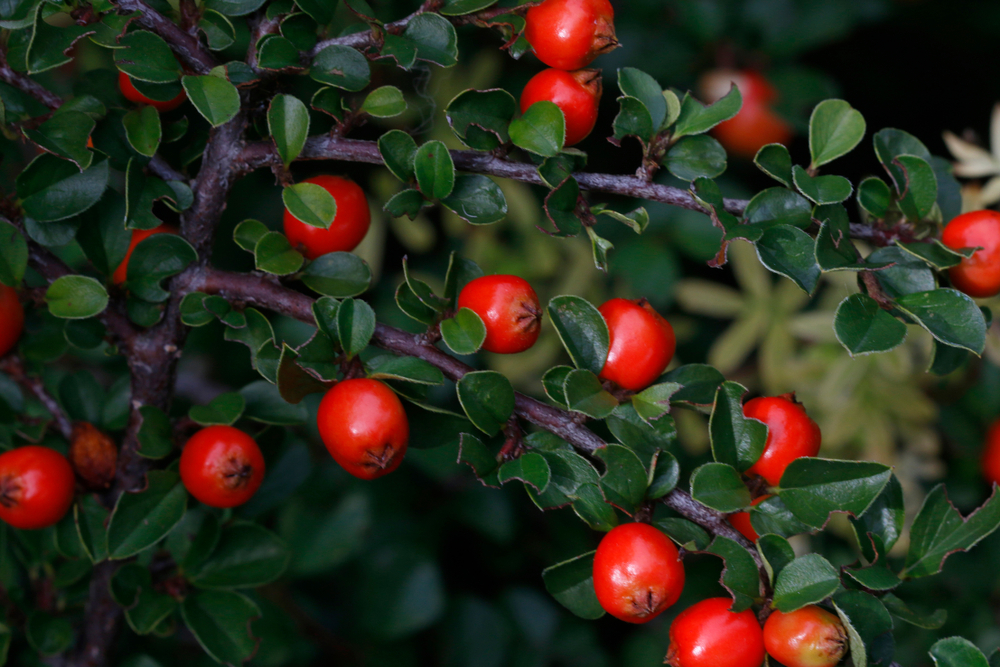
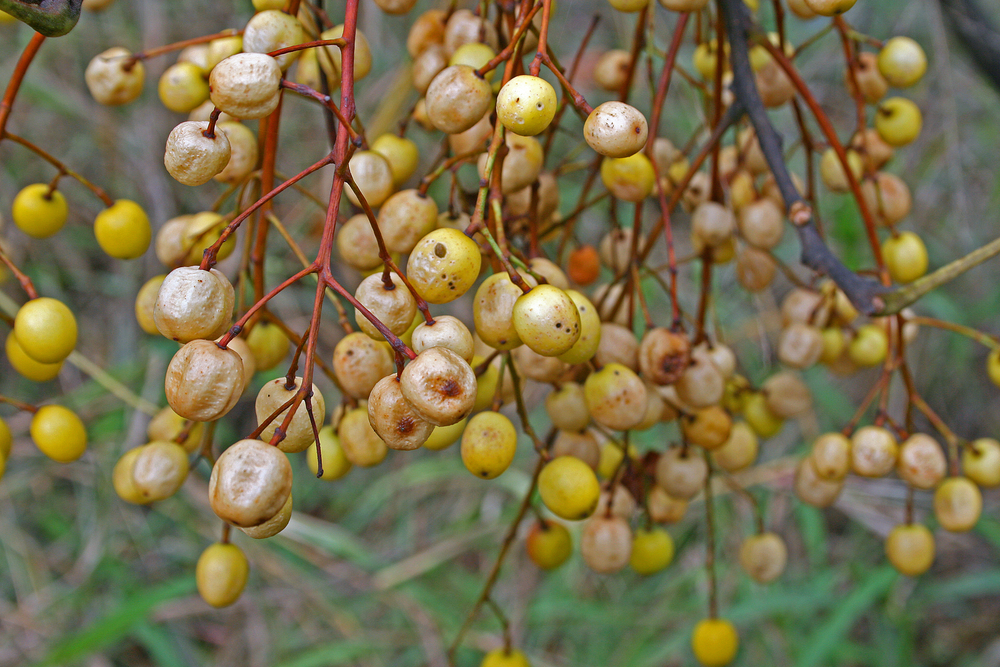
Keep in mind that only the female plants produce those tiny, yellowish-white flowers. If they’re pollinated, you’ll see black or red berries in the fall that usually stick around well into the winter.
The Toxic Side of Holly
Even though these plants are total eye candy, you’ve got to handle them with care. Ilex is highly toxic, especially the berries and the leaves. The berries are packed with triterpenes, while the leaves contain saponins. They also contain other nasty compounds like menisdaurin, ilicin, rutin, and ursolic acid.
If you have kids or pets running around, you really have to keep a close eye on them to make sure they don’t snack on the berries. Even a tiny amount can be dangerous. Honestly, if your yard is a primary play zone for little ones, you might want to skip planting holly altogether.
Potential Symptoms of Poisoning
Eating as few as two berries can cause symptoms in both humans and pets. If that happens, skip the home remedies and call a doctor or vet immediately. Here’s what to look out for:
- Nausea
- Vomiting
- Paralysis
- Stomach pain
- Diarrhea
- Heart palpitations
- Kidney damage
Interestingly, birds are the only ones who can eat these berries without a problem! They’re actually a vital winter food source for our feathered friends. They eat the fleshy part and poop out the seeds, which is how the plant spreads in the wild.
Toxic Leaves
The evergreen leaves are also toxic, though most people (and pets) aren’t exactly tempted to snack on them. However, the sap can cause skin irritation. To avoid any itchy or inflamed skin, always make sure to wear a good pair of gardening gloves when you’re pruning or handling your Ilex.