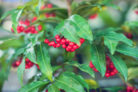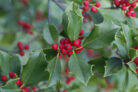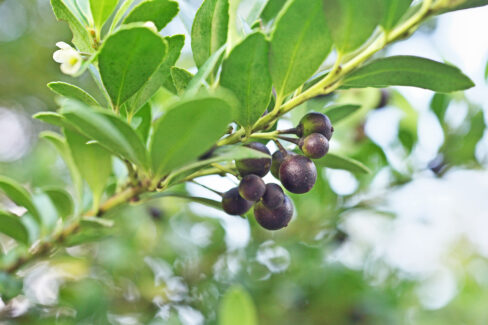
The Japanese Holly (*Ilex crenata*) is becoming a real superstar in the gardening world lately. Unlike Boxwoods, which can be a bit finicky and prone to disease, this hardy shrub is much more resilient. The best part? You can easily grow your own collection through cuttings. Here’s my step-by-step guide on how to get it done.
How to Take Your Cuttings
To get started, you’ll want to find some strong, healthy stems from a “mother plant.” The sweet spot for taking cuttings is between July and August. During these summer months, the sap is flowing through the upper branches, which helps the cuttings root much faster—and that’s exactly what we’re looking for! Aim for a shoot that’s about 6 inches long.
Here’s how to prep your cutting:
- Grab a pair of sharp, clean pruning shears.
- Snip off a 6-inch shoot from your Ilex crenata.
- Strip off all the leaves from the bottom half of the stem.
Rooting Your Holly Cuttings
Next up, you’ll need some small pots. I recommend filling them with a mix of sand and potting soil (or peat). Once your pots are ready, tuck the bottom half of the cuttings into the soil. Give them a good watering and find a bright spot for them to live. Just make sure they aren’t sitting in a drafty area or exposed to cold snaps, as we want to keep the plant from getting sick.
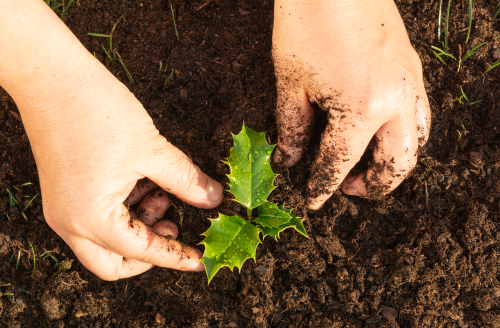
You can totally grow these indoors, too! Just make sure the room has decent airflow. Keep the soil consistently moist with regular watering. After a little while, the cuttings will start to take root, and you’ll see tiny new leaves popping up on the top half. Once they look sturdy enough, you can move them to a bigger pot or plant them outside. Just a heads-up: Ilex crenata is only moderately winter hardy, so you’ll want to give them some extra protection before the first big freeze hits.
Mulching Your Young Plants
One of my favorite pro-tips for Japanese Hollies is to use mulch. Adding a layer of bark mulch or organic material around the base is a game-changer for young roots. It acts like a cozy blanket and helps the soil retain moisture so it doesn’t dry out too fast. As for feeding, don’t go overboard—you definitely don’t want to over-fertilize them. These plants are pretty low-maintenance and don’t need a ton of extra nutrients to thrive.