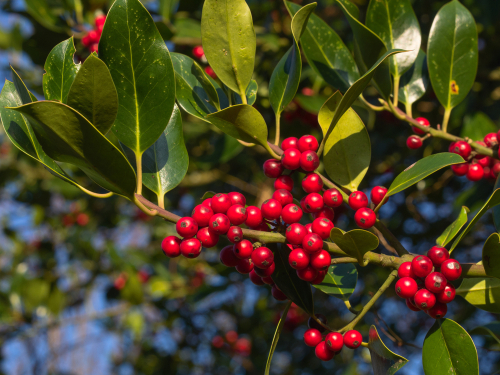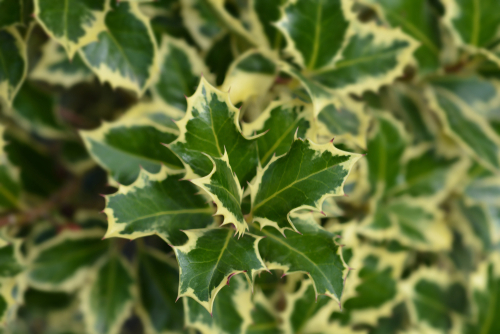
Most plants thrive in good garden soil, and the holly (Ilex) is no exception. These evergreens are incredibly hardy and low-maintenance, but if you want them to really look their best, a little extra boost of nutrients goes a long way.
Where should you plant your holly?
Holly is pretty flexible—it’ll grow in shade, partial shade, or even full sun spots, provided you keep it well-watered. They love moist soil, but be careful: they hate “wet feet,” so make sure the area drains well to avoid standing water. A pro tip? Spread a layer of mulch over the root zone. It’s a lifesaver for keeping the soil damp and cool for longer.
Feeding your Ilex
In the spring, right when you see that fresh new growth starting, you can apply a mineral fertilizer that soaks deep into the soil. Look for something with a good nitrogen kick to really get that growth moving. If you prefer the natural route, well-rotted compost or aged manure spread on the surface works wonders. Just a heads-up on the manure: make sure it’s properly processed/composted, or you’ll end up growing more weeds than holly!
Once you’ve given them that spring feeding, your holly is usually good to go for the rest of the year.
Here are the best times to grab the fertilizer:
- A spring feeding with mineral fertilizer or compost.
- Adding a bit of compost whenever you’re repotting.
- Regular feedings for container-grown hollies, since pots lose nutrients much faster than the ground.
- Consistent doses of bonsai or organic fertilizer if you’re growing a holly bonsai.
Caring for a holly hedge
While a standalone holly in the yard is pretty “set it and forget it” after spring, a holly hedge needs a little more attention. Especially in those first few years while the hedge is filling out, you’ll want to keep an eye on the soil nutrients. I recommend a slow-release organic-mineral fertilizer. This ensures a steady supply of N-P-K (nitrogen, phosphorus, and potassium) plus trace elements over a longer period.
If your soil is already pretty rich, you might get away with just mulching with wood chips or grass clippings. If you notice a nitrogen deficiency, tossing down some organic horn meal or blood meal can help balance things out.
Not sure what’s actually in your soil? Most of us aren’t! If you want to stop guessing, grab a soil test kit from your local garden center. It’s the easiest way to see exactly what your plants are hungry for.