Onions are a win-win in my book: they’re an absolute staple in the kitchen, and out in the garden, they’re about as low-maintenance as it gets. However, when it comes to fertilizing your onions, a “less is more” approach is usually the way to go.
Onions and Fertilizer
The big secret to growing great onions? You don’t actually need much fertilizer at all. Onions are what we call “light feeders,” meaning they don’t suck a ton of nutrients out of the soil, even when they’re in their peak growth phase. They actually do quite well in leaner soil. If you’ve previously grown peas, spinach, or lamb’s lettuce in that spot, your onions will feel right at home. Generally speaking, if you have a standard veggie garden with decent soil, your bulbs are going to thrive just fine without extra help.
Using Compost as Organic Fertilizer
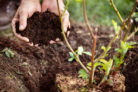
If you really want to use compost, the trick is timing: work it into the soil back in the fall. This gives it plenty of time to break down and settle before planting time rolls around in the spring. Well-rotted manure or humus works too, but remember that neither onion sets nor seeds need freshly fertilized soil. In fact, some gardeners overdo it with the “good stuff” and end up attracting pests like onion flies.
Store-Bought Mineral Fertilizers
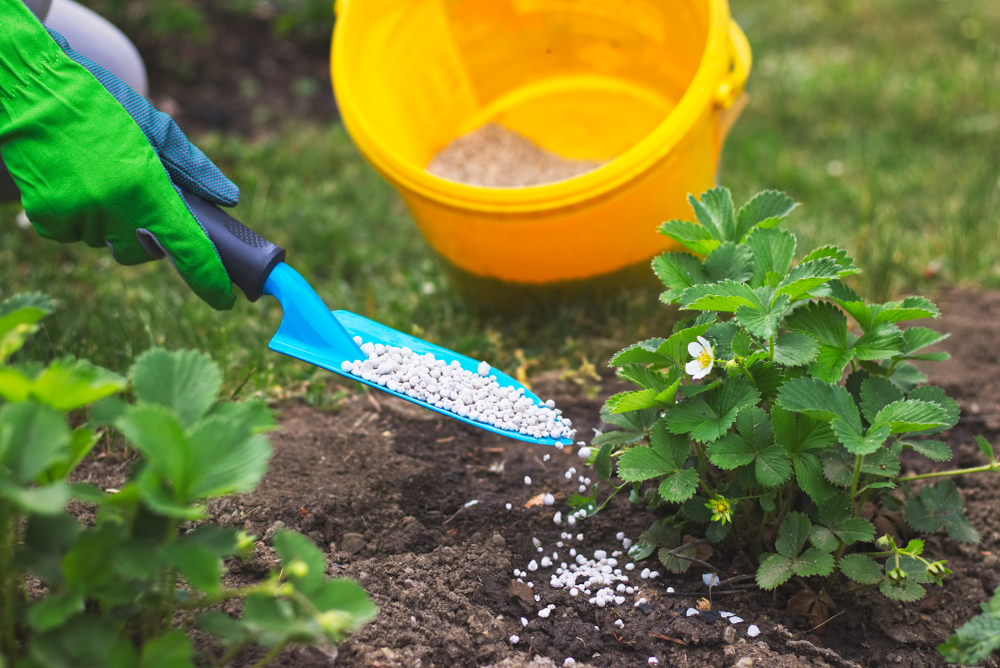
If you decide to pick up a commercial fertilizer, keep a close eye on the label. You want something where potassium and phosphate are the stars of the show. You can apply this during the growing season, but again, it’s rarely a necessity. One thing to definitely avoid is any fertilizer with high nitrogen levels. Onions aren’t fans—too much nitrogen can actually stunt their growth and, even worse, make them rot faster once you put them in storage.
Onions and Fertilizer: The Quick Hits
- Onions don’t usually need extra fertilizer to thrive.
- They do great in lean soil or soil that was fertilized for a previous crop.
- If using compost, mix it into the garden in the fall.
- Avoid freshly fertilizing the soil right when you are sowing in the spring; it can do more harm than good.
- When buying fertilizer, look for potassium and phosphate.
- Steer clear of high-nitrogen products, as they can ruin your harvest’s shelf life.