title: Fertilizing Strawberries: Tips for a Bumper Crop
Strawberries are generally pretty low-maintenance, but if you want those big, juicy berries we all dream of, you’ve got to feed them right. Because they’re heavy feeders, a little regular TLC with the right nutrients goes a long way. In this post, I’ll walk you through how to fertilize your strawberry patch like a pro and, more importantly, when to do it.
Go Organic for the Best Berries
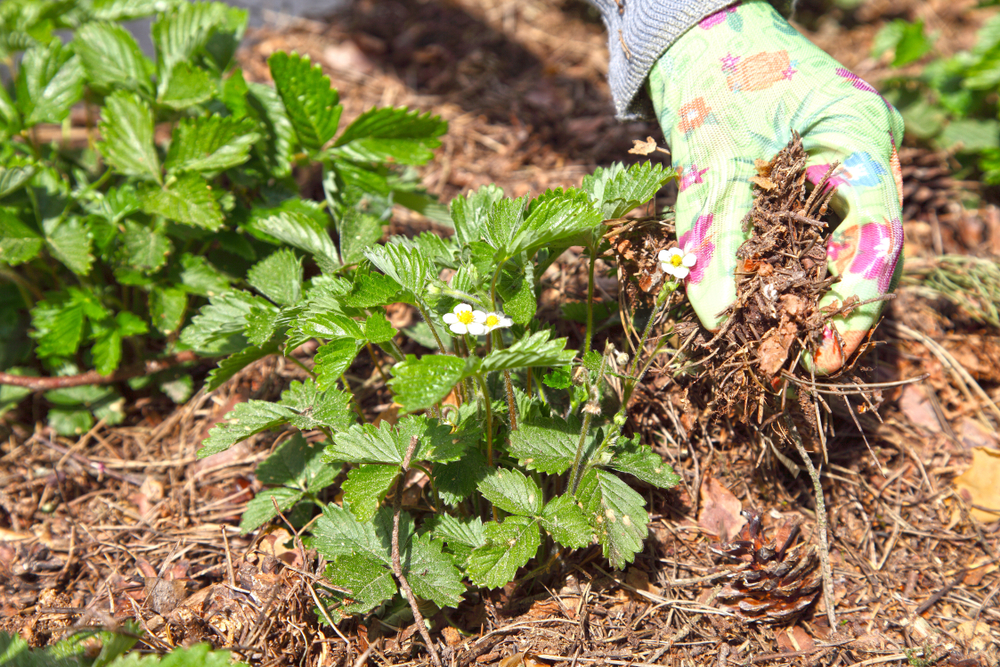
If you want healthy, delicious fruit, the type of fertilizer you choose really matters. I always recommend sticking with organic options like compost. It’s better for the environment and keeps your soil’s natural ecosystem thriving. If you don’t have a compost pile going at home, don’t worry! You can use these great alternatives:
- Horse manure
- Well-rotted farmyard manure
- Guano
- Liquid plant feeds (like compost tea or nettle water)
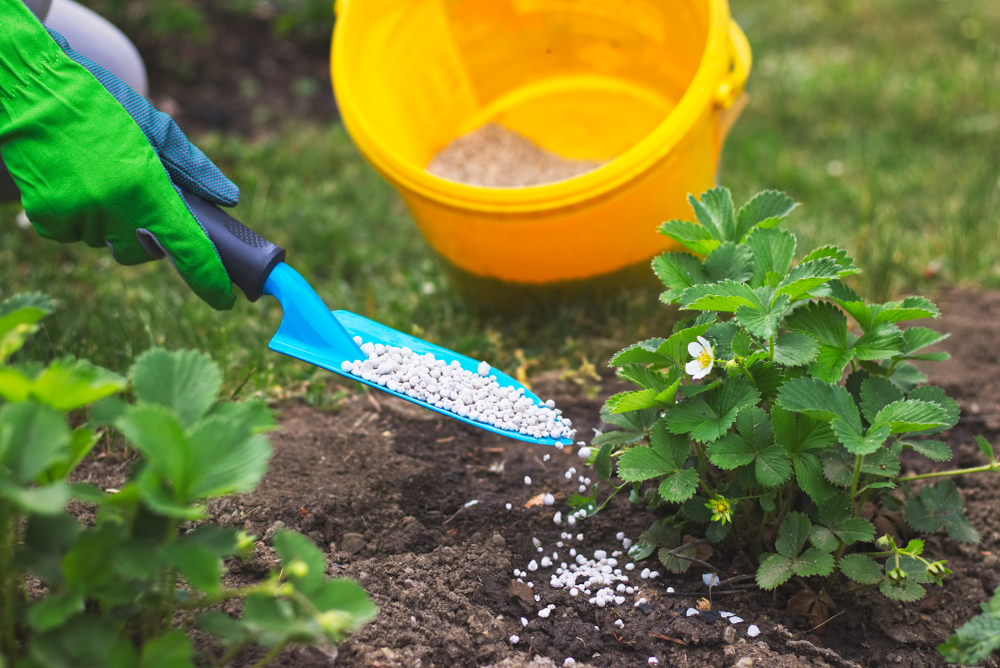
You’ll see plenty of synthetic “berry fertilizers” at the big-box stores, but I prefer knowing exactly what’s going into the fruit my family is eating. Organic is definitely the way to go here.
Prepping Your Soil
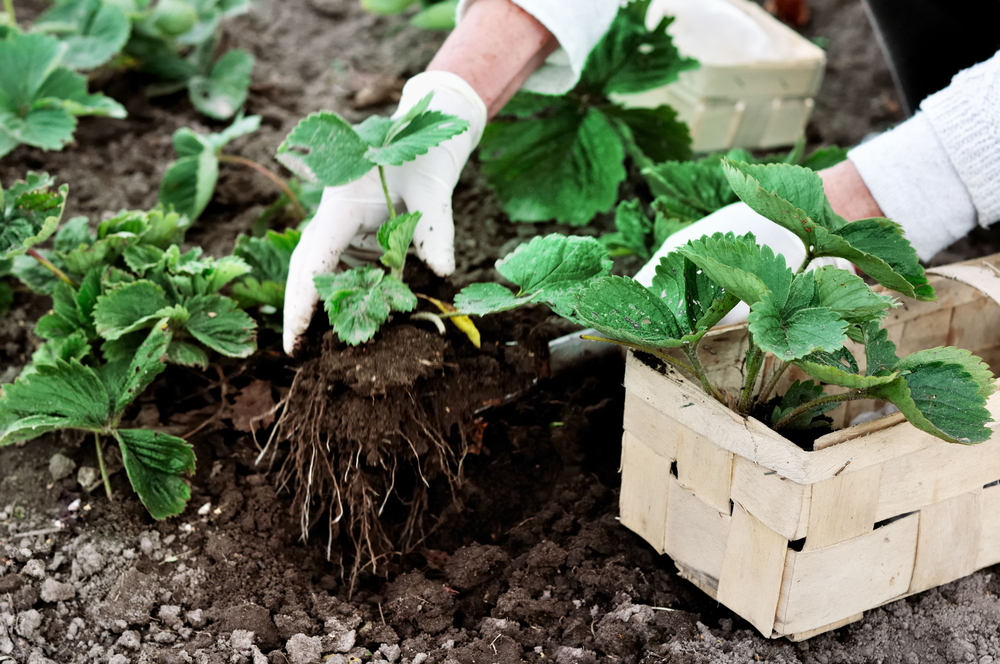
Strawberries aren’t big fans of freshly turned soil. They like things a bit more settled. Because of this, you’ll want to prep your garden bed a few weeks before you actually plan on planting. Here’s my tried-and-true step-by-step method:
- About one to two months before planting, dig over the soil deeply with a spade.
- Sift through and remove any weeds, old roots, or large stones.
- Mix your soil with horn shavings, compost, or your organic fertilizer of choice.
If you’re growing your strawberries in containers or window boxes, you can follow the same process—just do it about 14 days before you bring your nursery plants home.
Feeding Annual Strawberries
While many varieties are perennials, some gardeners prefer annual varieties. These guys still need a balanced diet to produce well. Here’s a simple schedule to follow:
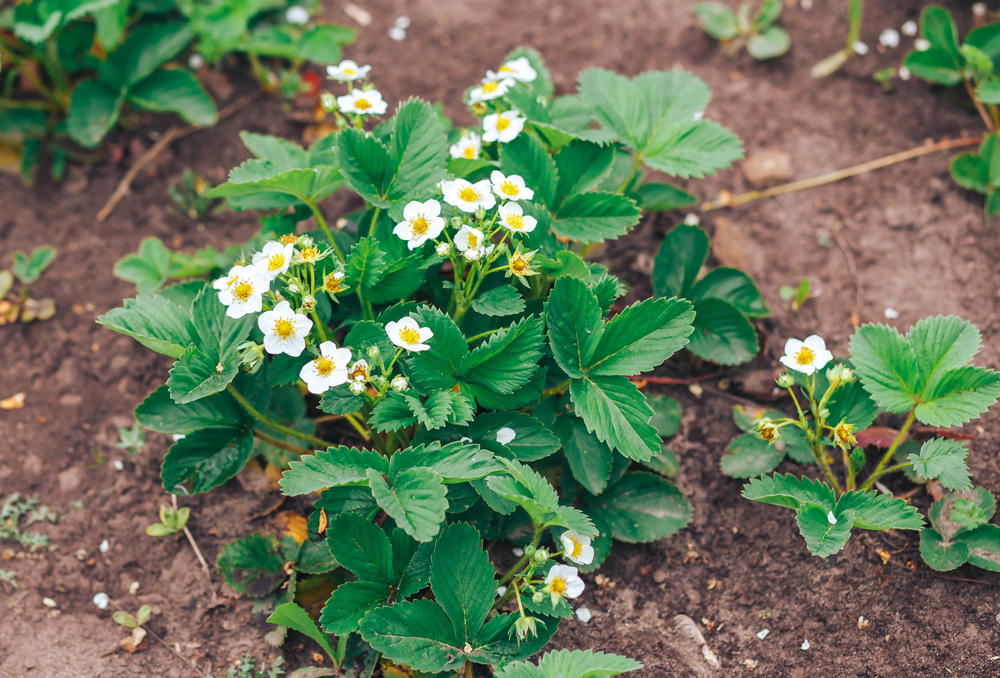
- Before flowering: Apply about 5 liters of compost per square meter (roughly 1.25 gallons per 10 square feet).
- Before the fruit ripens: If your soil is looking a bit thin or poor, give them a second boost—this time use about half the amount of compost.
When to Fertilize Perennial Strawberries
For those hardy, multi-year strawberry patches, the “big feed” actually happens in the fall, right after the final harvest. Use the same amount of compost as mentioned above. Fertilizing in the fall gives the soil organisms plenty of time to break down those nutrients so they’re ready for the plants in spring.
Once spring rolls around, just treat your perennials like annuals: give them a nice feeding before they bloom and another light snack before the berries ripen if the soil needs it.