title: Firethorn Bonsai: A Great Choice for Beginners
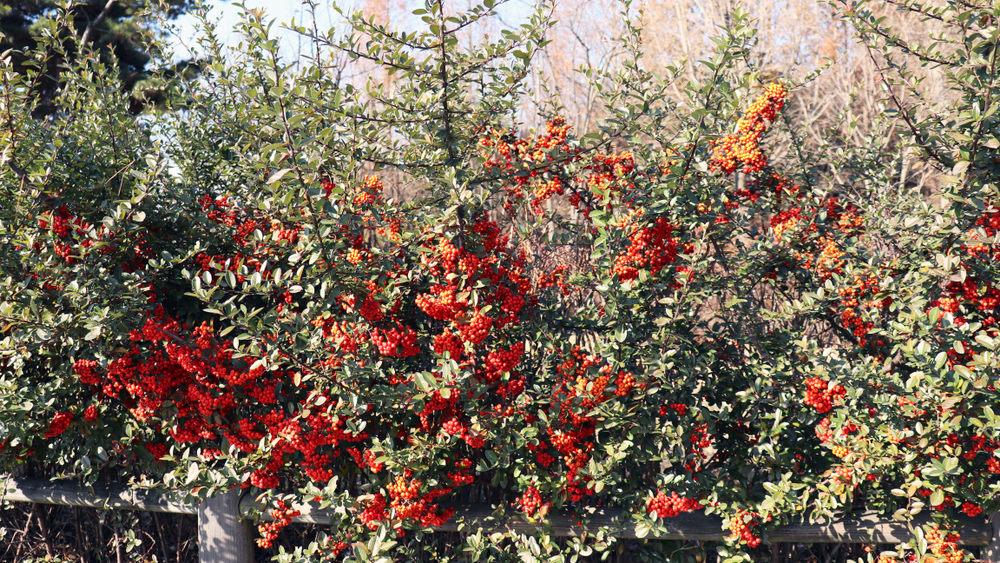
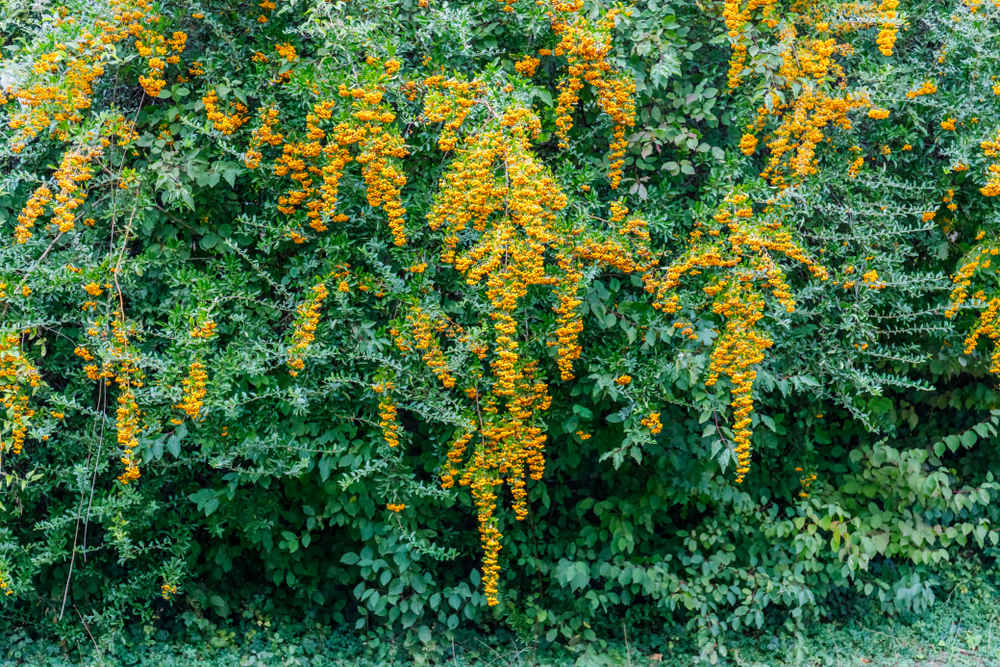
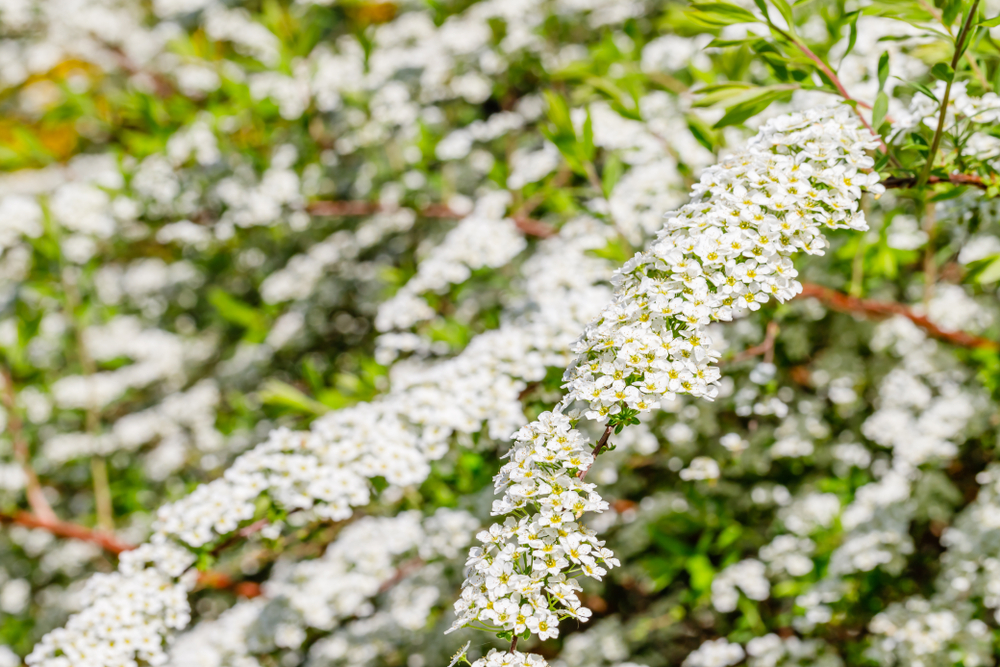
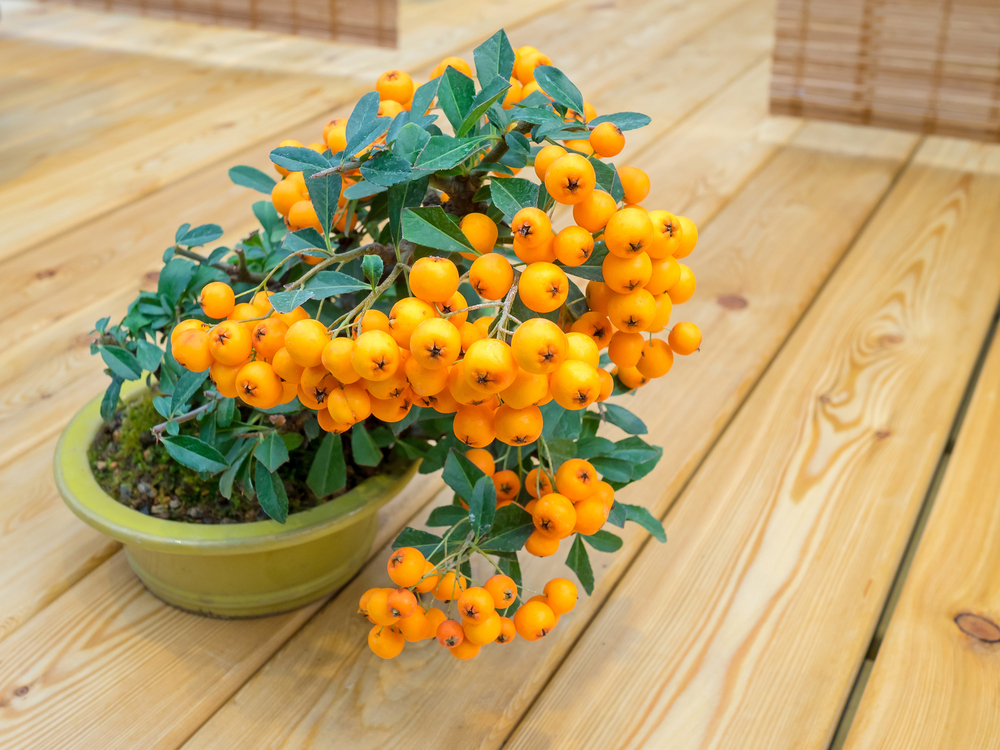
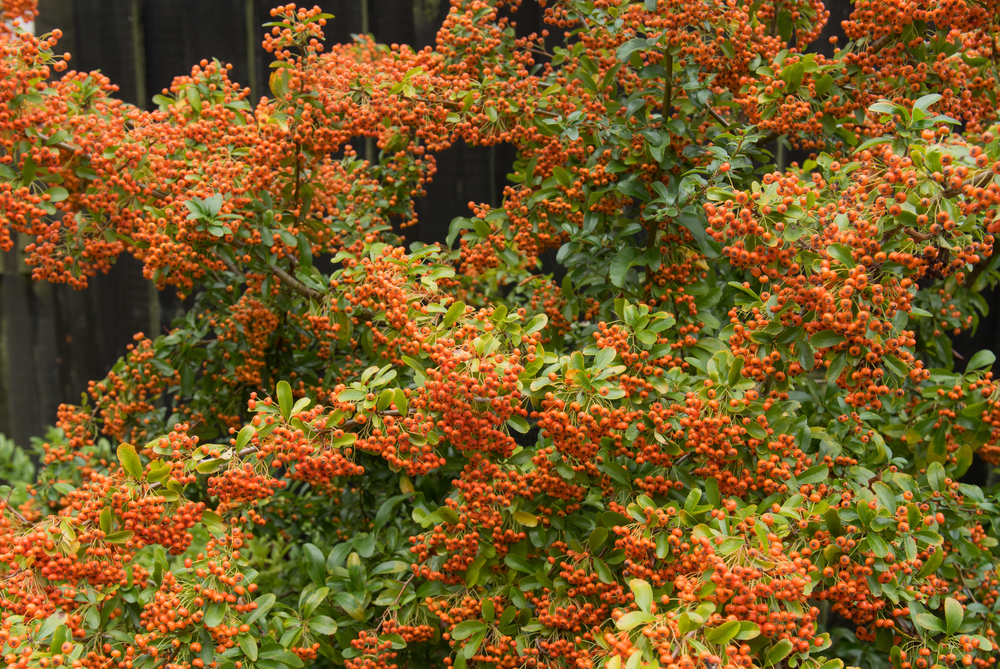
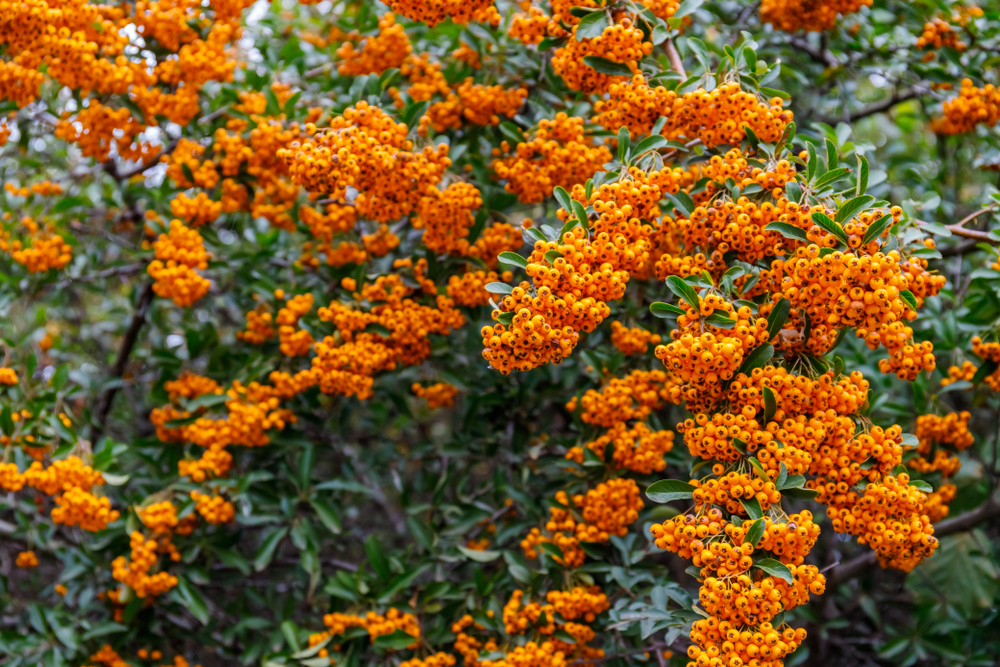
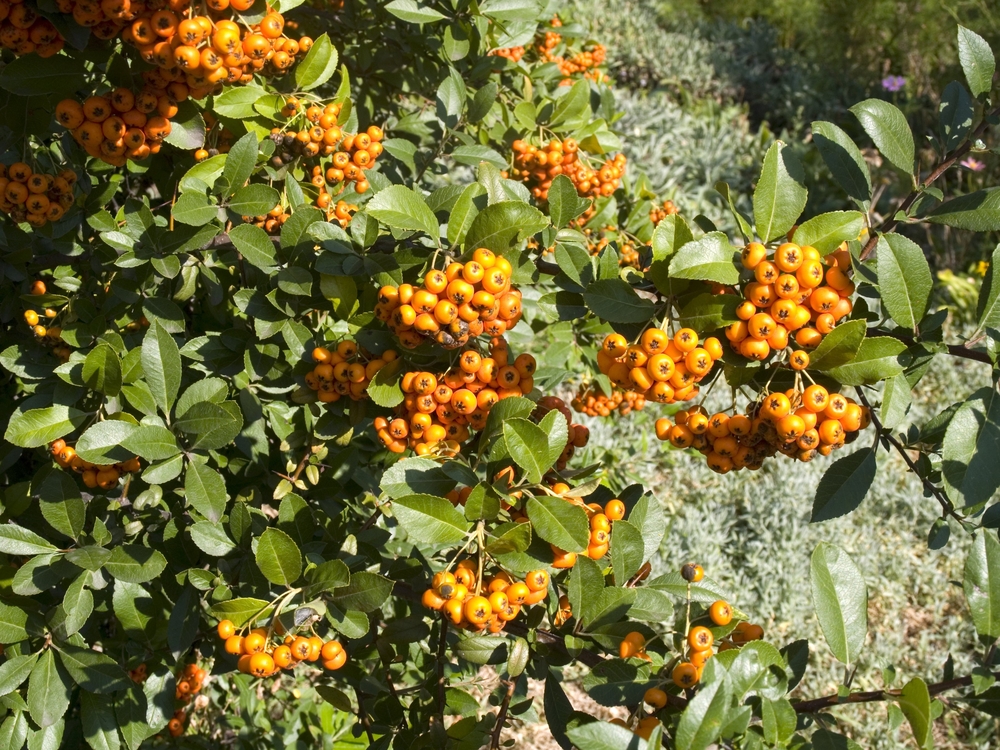
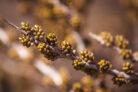
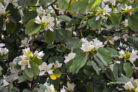
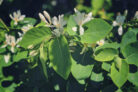
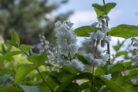
When you think of bonsai, Firethorn (Pyracantha) might not be the first plant that pops into your head. But honestly, this thorny shrub is practically made for it! It’s a fantastic option for beginners because it’s easy to shape and doesn’t make you compromise on aesthetics. You’ll get those beautiful white flowers and vibrant berries just like a full-sized shrub, only in a charming miniature package. Here’s everything you need to know about caring for your Firethorn bonsai.
Shaping Your Tree
To get that perfect, picturesque canopy, you’ll need to stay on top of pruning. It’s best to start shaping your tree shortly after propagating it or buying a young plant. While you *can* use wire to shape the branches, those sharp thorns make it a bit of a headache. Most growers prefer “guy-wiring” (pulling branches down with weights or ties) as a safer alternative.
- Give it its first major trim in late March.
- Do a second maintenance prune in late August.
- Thin out the branches, even cutting back into the older wood if needed.
- For fresh shoots that you want to keep short, trim them back.
- Leave only about two pairs of leaves on new growth.
Quick Tip:
Always wear a good pair of gardening gloves! Firethorn thorns are no joke and can cause some pretty painful scratches if you aren’t careful.
The Perfect Spot: Summer vs. Winter
If you want those iconic flowers and berries, your Firethorn bonsai needs plenty of sun. It loves being outdoors during the summer, but on those scorching July afternoons, make sure to give it some shade so the leaves don’t get scorched. When winter rolls around, move your tree indoors to a cool, frost-free spot to hibernate.
Watering, Feeding, and Repotting
For the best results, use a soil mix of two parts bonsai soil to one part Akadama. Young trees are fast growers and should be repotted every two years in March. Older, more established trees only need a new pot when they’ve clearly outgrown their current home, but you should refresh their soil at least every five years.
Keep the soil consistently moist, but be careful not to overwater—root rot is the quickest way to lose a bonsai. Start feeding your tree weekly with a bonsai fertilizer in March. Once it finishes blooming, you can cut back to every two weeks. Stop fertilizing altogether by mid-autumn.
Pests and Diseases
Firethorn can be susceptible to a few issues, namely scab (a fungus) and fire blight (a bacterial infection). Both diseases can be serious. To avoid scab, look for resistant varieties; otherwise, heavy pruning is usually the best fix. Fire blight is much more serious—if your plant catches it, it unfortunately can’t be saved and must be destroyed. It’s highly contagious and, in many areas, actually a reportable disease.
The good news? A single bonsai is much less likely to get sick than a massive Firethorn hedge out in the yard. Just keep an eye out for aphids, scale insects, and leaf miners. If you spot any of these little pests, treat them quickly with an appropriate organic spray or pesticide.