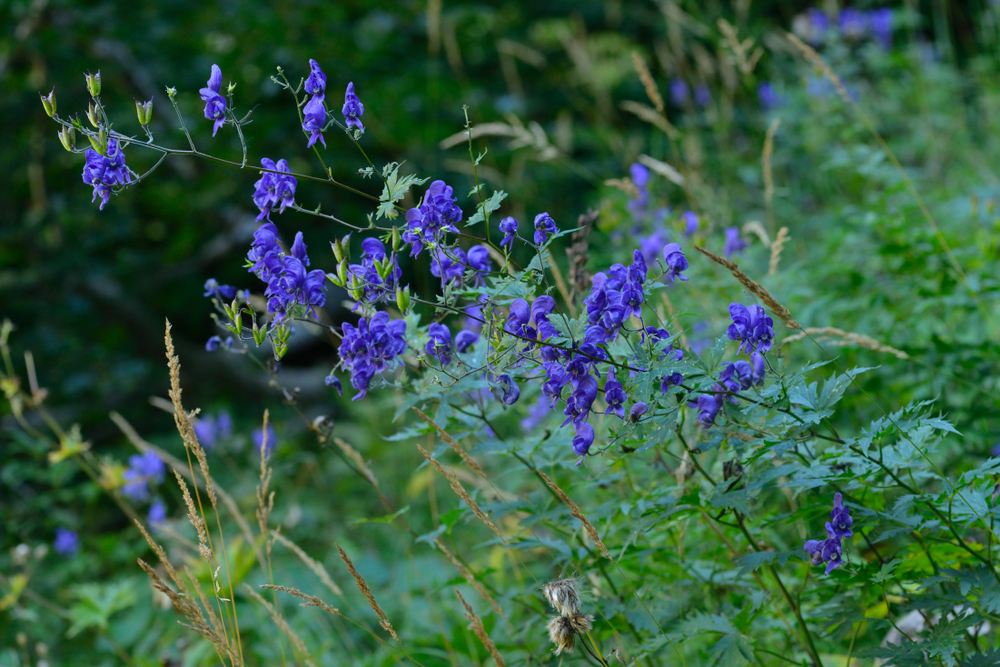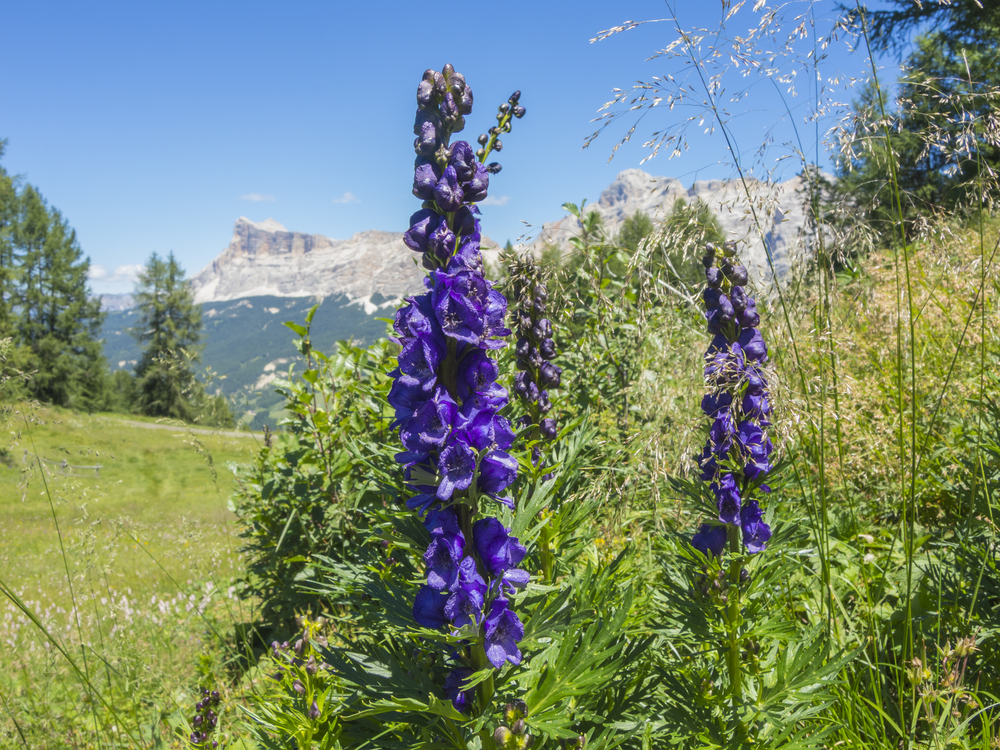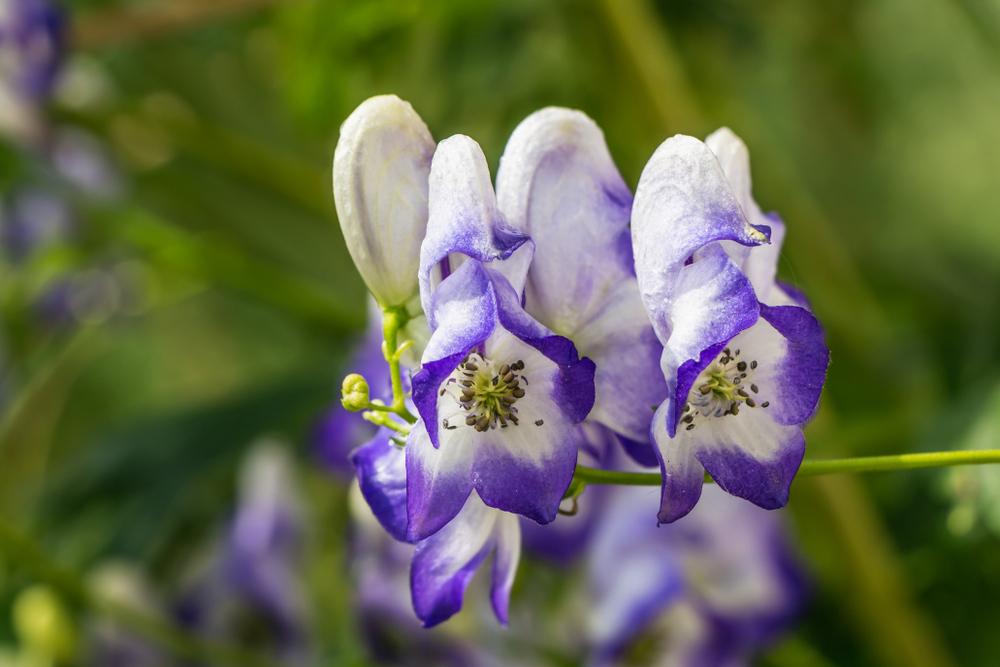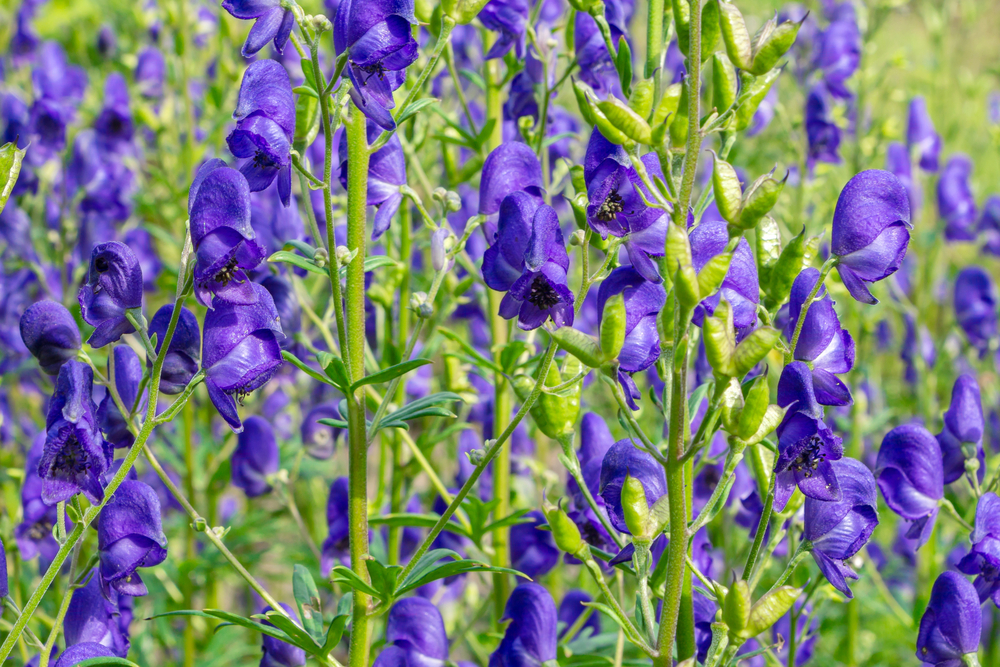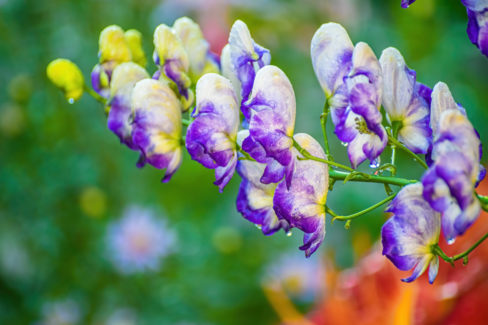
Monkshood (Aconitum) is a member of the buttercup family and a total staple in many perennial gardens. Even though it’s famously toxic, gardeners love it for those stunning, bold flowers that brighten up the yard well into September. The most striking thing about them is their shape—no matter the color, the blooms always look just like a tiny medieval knight’s helmet!
Monkshood Varieties
There are about 300 different species of Monkshood out there. They mostly vary by their color and when they decide to show off their blooms. Some varieties get started in early summer, while others wait until the fall. If you play your cards right and plant a mix of different types, you can have these beauties blooming in your flower beds all season long. Here are a few fan favorites:
- Blue Monkshood: Features those iconic, vibrant blue “helmets.”
- Yellow Monkshood: Brings a pop of bold, bright yellow to the garden.
- Autumn Monkshood: Offers gorgeous shades ranging from deep blue to violet.
- Climbing Monkshood: A unique variety with stunning wine-red flower clusters.
Common Names Through the Ages
Monkshood has been around for centuries, so it’s picked up quite a few nicknames depending on where you are. You might hear it referred to as:
- Iron Hat
- Fisherman’s Cap
- Cap Flower
- Friar’s Cap
- Storm Hat
- Monk’s Cap
- Aconite
- Wolfsbane
Bloom Time and Growth
One of the best things about Monkshood is how long it stays in bloom. Some varieties start popping up in early summer, showing off those uniquely shaped individual flowers that grow in long clusters (called panicles). They don’t all open at once, either—they take turns, which extends the show! For example, Blue Monkshood usually starts in July and keeps going until September, while Autumn Monkshood can keep your garden looking lively even into October. By mixing species, you can enjoy these blooms from the first days of summer right through the end of fall.
Using Monkshood as a Cut Flower
It’s tempting to snip those beautiful stalks and bring them inside for a vase, and they do look incredible in arrangements. However, you’ve got to be careful! Monkshood is actually one of the most poisonous plants you can grow in your garden. You should always wear gloves when handling it. If you’re cutting them for a bouquet, wait until about a third of the flowers on the stalk have opened. Avoid touching the plant with bare skin, as even a little contact can cause a numb sensation. To keep everyone safe, make sure the vase (and the plants in your garden) are kept well out of reach of kids and pets.