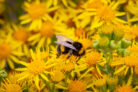
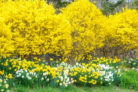
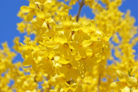
Forsythia is more than just a tough, low-maintenance shrub—it’s the ultimate symbol of spring. In the world of gardening, it’s what we call an “indicator plant.” When those bright yellow blooms pop, it officially marks the start of early spring on the nature calendar. However, as pretty as they are, most forsythias aren’t exactly a five-star restaurant for bees.
Why aren’t bees fans of Forsythia?
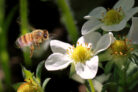
It’s not that bees have anything against the color yellow; it’s actually the plant’s fault! Most forsythias you see are hybrids. While those golden flowers are stunning, they produce almost no pollen or nectar. This means that for most insects, a forsythia bush is basically a food desert. But, there is one notable exception to the rule.
The “Bee-Friendly” Exception: “Beatrix Farrand”
Named after the famous American landscape architect, the “Beatrix Farrand” variety is the only forsythia that actually produces nectar. It’s a bit of a hidden gem and isn’t found in backyard gardens as often as it should be. That’s a real shame, because bees absolutely love its large, deep-yellow blossoms. If you’re planning a wildlife-friendly garden or need a vibrant hedge, this is the variety to go for.
How can I get the best blooms out of my Forsythia?
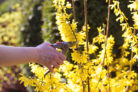
Those sunny yellow flowers are a total treat for the eyes, and there are a few things you can do to help them shine. While the location isn’t super picky (just avoid soggy soil!), timing is everything when it comes to maintenance. A careful pruning at the right time is the secret sauce for a lush, flower-heavy bush next season.
Where does Forsythia actually come from?
Most Forsythia species originally hail from East Asia, with only one variety being native to Southeastern Europe. However, the ones you’ll find at your local nursery are almost always hybrids. Because of this, the best way to grow more of them is by using cuttings or woody stakes rather than seeds.
What are some bee-friendly alternatives?
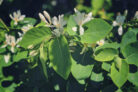
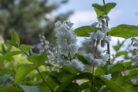
If you want to give the bees and other pollinators a helping hand early in the season, try planting early bloomers that are packed with nectar. For a shrub alternative, Winter Hazel (Corylopsis) is a fantastic choice. You can also tuck in some early-flowering bulbs like wild crocuses, spring snowflakes, or hyacinths to keep your local pollinators happy.
Quick Summary:
- Most varieties offer no food for bees or other insects.
- The exception: The “Beatrix Farrand” variety.
- Pollen and nectar-rich alternatives: Winter hazel, spring snowflakes, wild crocuses, and grape hyacinths.
Pro Tip: Standard forsythias are beautiful, but they unfortunately don’t provide much for the bees.