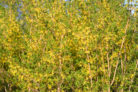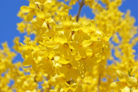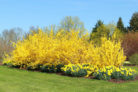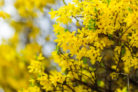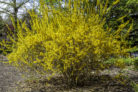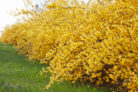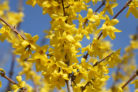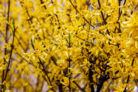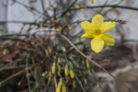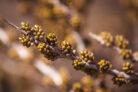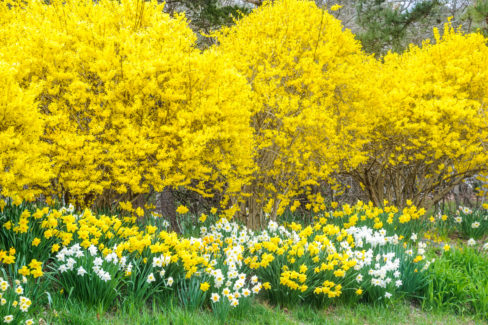
With those iconic, bright yellow blossoms, just about everyone recognizes the Forsythia. In the gardening world, we actually call it an “indicator plant”—once those yellow bells pop, you know winter is officially behind us! But even though it’s a backyard staple, there are a few things about this shrub that might surprise you.
Origins
Even though it feels like Forsythia has been in our neighborhoods forever, it’s actually a world traveler. Most species originally come from East Asia, with only one variety being native to Southeastern Europe.
Location and Soil
When it comes to picking a spot, Forsythia loves the sun. It’ll do just fine in partial shade, too, and can even handle full shade (though you might get fewer flowers). Ideally, you want soil that is “fresh” to slightly moist, nutrient-rich, and well-draining. Like most garden favorites, Forsythia doesn’t like having “wet feet” from standing water.
Planting and Care
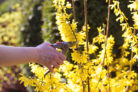
Good news for low-maintenance fans: Forsythia is incredibly easy to care for! The only real “must-do” is a regular pruning. The best time to trim it back is right after the flowers fade. As for watering, if your shrub is planted in the ground, you rarely need to worry about it unless you’re dealing with a long dry spell or you’ve just finished planting a new one.
Forsythia and Pollinators
Looking at that sea of yellow in the spring, you’d think it would be a buffet for bees, bumblebees, and other helpful insects. Unfortunately, that’s not the case. Most Forsythia varieties don’t produce enough nectar or pollen to actually feed our little pollinator friends. If you’re looking to build a true wildlife-friendly habitat, you’ll want to mix in some other flowering plants as well.
Quick Facts:
- Location: Best in full sun to partial shade, but will grow in shade.
- Soil: Loose, well-draining, fresh to moist, and relatively rich in nutrients.
- Best planting time: Early spring.
- Watering: Not usually necessary if the soil stays moist; only during long droughts.
- Fertilizing: Not needed in rich soil; for poor soil or containers, about every two weeks.
- Pruning: Regularly, ideally once a year right after blooming.
- Bloom time: Depending on the weather, usually March through late April (before the leaves appear).
- Flowers: Bright, vibrant yellow.
Pro Tip: Even if it isn’t a top-tier bee magnet, the Forsythia is still a stunning way to kick off the spring season in your yard!