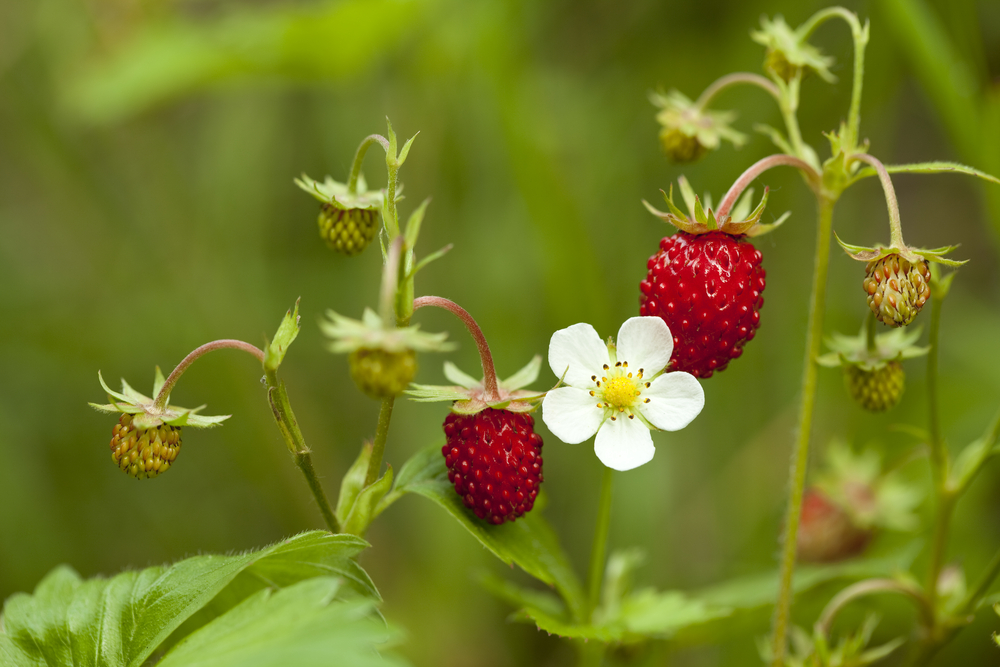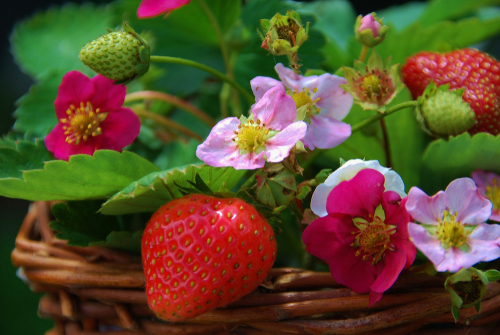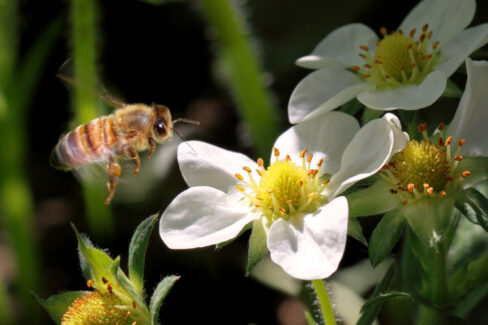
Strawberries are actually self-pollinating plants because they have “perfect” flowers—meaning each bloom has both male and female parts. This gives them a few different ways to get the job done, and how they get pollinated can actually make a big difference in your harvest. Let’s dive into how it all works.
The Different Ways Strawberries Pollinate
Since strawberries are hermaphroditic, you don’t technically need to plant a second variety to get fruit. One type is plenty to guarantee fertilization. But how does that pollen actually get where it needs to go to create those juicy berries? There are a few ways nature handles it.
First, there’s good old gravity, which helps pollen drop down onto the flower’s center. Then there’s the wind, which gives the blossoms a little shake to spread the dust around. But the real MVPs of the garden are the “busy bees”—specifically honeybees and bumblebees. They carry the pollen directly from one part of the flower to another.
While gravity and wind do their part, pollination by bees is by far the most efficient method. These little guys pick up a much larger amount of pollen and distribute it more thoroughly. The result? A much bigger, better-shaped harvest for you.
How to Attract Pollinators to Your Garden
Unfortunately, bees and bumblebees are having a tough time in modern gardens. With fewer wildflower meadows and fruit orchards around, these hardworking insects are struggling to find enough food. Many modern ornamental plants are bred for looks but don’t actually offer much nutrition for insects. That’s why conservationists recommend planting dedicated wildflower patches.
If you want to see more bees and bumblebees buzzing around your yard, you’ve got to give them a reason to visit! Planting nectar-rich flowers is the way to go. For example, Lilacs (Syringa) are a fantastic source of nectar. If you have the space, a lilac hedge is basically a five-star resort for insects—it provides food and a great place for them to hide.
Old, decaying logs also make great nesting spots for wild bees. When choosing flowers, try to avoid “double-flowered” varieties (the ones with extra petals), as they usually don’t have much pollen. You can easily find “bee-friendly” wildflower seed mixes at most garden centers. Most importantly, try to skip the insecticides! If you want to go pro, you can even set up a “bee hotel.” You can buy these ready-made; just hang it in a sheltered spot, and you’ll have plenty of tiny, helpful tenants in no time.