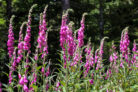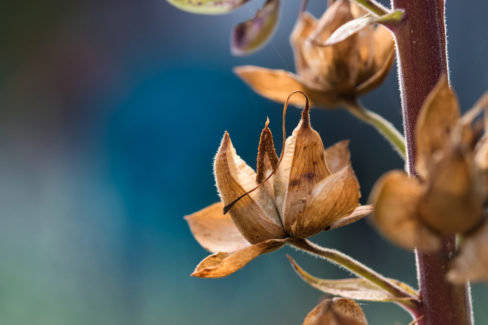
Foxglove usually takes care of its own reproduction through self-seeding. However, if you want to give nature a little nudge or if you’re looking to introduce foxglove to your garden for the very first time, you can easily sow the seeds yourself.
Self-Seeding
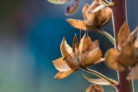
Foxglove is a natural self-seeder, meaning it generally multiplies on its own without any help from us. It simply scatters its tiny, lightweight seeds into the wind, which carries them to various spots in your yard where new plants eventually pop up.
One cool thing about self-seeding is that different varieties often cross-pollinate, which can lead to some really unique new color combinations! But, if you want more control over where your flowers grow, you can take charge by sowing and planting them out yourself. This way, you get to decide exactly where your garden’s pops of color will be.
Sowing Foxglove
If you’re ready to start sowing, the first thing you’ll need is some foxglove seeds. You can pick these up at your local garden center or, if you already have some in your yard, you can harvest the seeds directly from your own plants.
The Best Time to Sow
You can sow foxglove in the spring, summer, or even fall. However, most gardeners find that July or August is the absolute sweet spot for getting them started.
Choosing the Right Spot
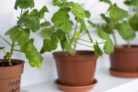
Foxglove is pretty versatile—it’s happy in garden beds or in pots and containers. Just make sure your chosen spot hits these marks:
- Partial shade to full shade,
- Humus-rich, nutrient-dense soil,
- Good drainage (no soggy feet!),
- Consistently moist soil and decent humidity.
How to Sow Your Seeds
Ready to get your hands dirty? Here’s the best way to grow foxglove from seed:
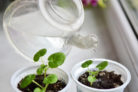
- Scatter the individual seeds into your garden bed or your chosen pot. If you’re using a pot, standard seed-starting mix works great. Be careful not to bury them! Foxglove seeds are “light germinators,” meaning they need exposure to light to sprout, so just barely cover them with a tiny bit of soil.
- You should see the first sprouts popping up within about a month.
- Once your little seedlings reach about 2 to 4 inches in height, they’re ready to be moved into their own separate pots or their final spot in the garden. If you’re planting them outside, try to keep them about 15 inches apart. This gives them plenty of room to spread out and really thrive.