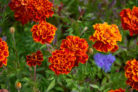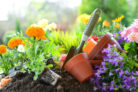
For a true garden lover, it doesn’t matter if nursery starts are cheap at the local big-box store. There’s just something so rewarding about grabbing a packet of seeds and watching new life sprout right before your eyes! Marigolds (Tagetes) are a classic favorite for this, and they are incredibly easy to grow from seed—as long as you follow a few simple rules.
The Best Time to Sow Your Seeds
Since Marigolds originally hail from sunny Mexico, they are not frost-hardy. This means it’s only safe to sow them directly outdoors starting in mid-May (or late April if you live in a very mild climate). However, because these beauties are annuals, starting them that late outside cuts into their blooming season. To get a head start on those gorgeous flowers, I recommend starting them indoors around late February or early March.
Harvesting or Buying Viable Seeds
Did you know Marigolds are edible? They are also amazing garden companions that can act as a trap crop for slugs or help improve your soil by fighting off nematodes. Since Marigold seeds need light to germinate, it’s easy to grow a whole bunch at once. If you’re harvesting your own seeds, just leave a few spent blooms on the plant to dry out and deadhead the rest so the plant doesn’t waste its energy.
- Harvest seeds in the fall
- Wait until the flower head is completely dried out
- Store seeds in a paper bag in a cool, dry place
Pro Tip:
If you don’t have any Marigolds yet, you can find seeds just about anywhere—from the grocery store to your favorite garden center. If you’re looking for rare or unique varieties, check out some specialty seed shops online!
Soil and Pots
If you’re growing Marigolds yourself indoors, start with a large seed tray to make things easier. You’ll also want plenty of small individual pots ready for when it’s time to prick them out (transplant them), as they’ll quickly outgrow the starter tray.
For the first stage, use a low-nutrient substrate like a standard seed-starting mix or unfertilized coconut coir. Once you move them to their own pots, you can use a richer potting soil—just mix in a little sand to ensure it drains well.
Step-by-Step Guide to Sowing Marigolds
- Fill your seed tray (or small pots) with soil and press it down lightly.
- Scatter the seeds evenly across the surface and press them gently into the soil.
- Do not cover them with much soil, if any! Marigolds are light-germinating seeds and need exposure to sprout.
- Use a spray bottle to mist the soil. This keeps the seeds from washing away.
- Cover the tray with a clear plastic bag or dome to create a humid “mini-greenhouse.” Just be sure to vent it for a few hours every day to prevent mold.
- Place the tray in a bright spot (about 65-70°F) but away from harsh, direct sunlight.
- Keep the soil consistently moist.
- Once the seedlings pop up (usually after about two weeks), remove the cover.
- When the plants have grown two sets of true leaves, it’s time to transplant. Pick the strongest seedlings and give each its own little pot.
- Keep caring for your “babies” indoors until the last frost has passed and the optimal planting time arrives.
Pro Tip:
You can grow Marigolds in balcony containers or plant them directly in your garden beds. Either way, make sure they get a spot in full sun to see them really thrive and bloom. They can handle light partial shade, but they definitely prefer to soak up the rays!