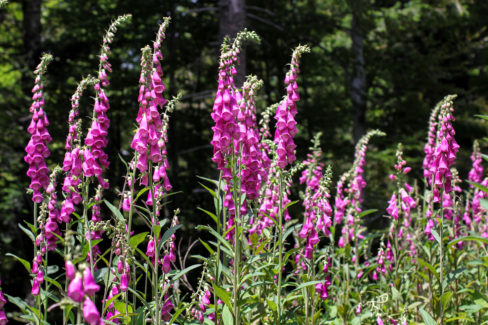
Propagating foxglove is about as easy and straightforward as it gets in the gardening world. In fact, most of the time, this plant does all the hard work for you! But if you want to take the reins and have a bit more control over where these beauties pop up, you can easily start them yourself from seed.
Propagating via Seeds
When it comes down to it, foxglove propagation happens through its seeds. You’ve basically got two ways to go about this:
- Letting the foxglove self-seed naturally, or
- Rolling up your sleeves and sowing the seeds yourself.
Natural Self-Seeding
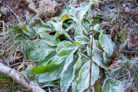
In a typical garden setting, foxglove is a pro at self-seeding. Once the flowers fade, the plant lets its ripe seeds hitch a ride on the wind, get carried off by insects, or simply drop right next to the mother plant. Those seeds will chill out over winter and sprout into brand-new baby foxgloves the following spring. It’s nature’s way of making sure the colony stays strong.
If you’re not looking for a foxglove takeover, you’ll want to deadhead the flower stalks in early fall. If you cut them back before the seeds ripen, they won’t have a chance to spread. Just a heads-up, though: if you do this to every single foxglove in your yard, you won’t have any new plants popping up next year!
Sowing the Seeds Yourself
If you prefer a more organized look, sowing the seeds yourself is the way to go. This prevents the “wild look” of random sprouts and lets you decide exactly where those stunning spikes will grow.
To get started, sprinkle the tiny seeds into pots filled with seed-starting mix or directly into your garden beds. Here’s the golden rule: don’t bury them! Foxgloves are “light germinators,” meaning they need sunshine to wake up and grow. Just press them gently into the soil surface. You’ll see the first tiny sprouts in just a few days. Once they’re about four inches tall, they’re ready to be transplanted into their permanent homes or larger pots.
Forget About Division or Cuttings
While you might be used to dividing hostas or taking cuttings from hydrangeas, those tricks won’t work here. Foxglove root balls are just too small and delicate to be split up. They also don’t produce the kind of stems that work for cuttings. When it comes to foxgloves, it’s all about the seeds—nothing else!