Truth be told, foxgloves are pretty low-maintenance and don’t actually *need* us to step in with the garden shears. Since they are biennial or short-lived perennials, they naturally die back after a few years anyway. They aren’t going to take over your yard or grow to impossible heights if left alone. However, there are a few good reasons why you might want to give them a trim.
Why You Might Want to Prune Your Foxgloves
Even though it’s not strictly necessary, here are a few reasons to grab your pruners:
- Cutting them for flower arrangements
- Removing diseased leaves or stems
- Encouraging a second bloom or extending the plant’s life
- Preventing them from self-seeding everywhere
- Using the leaves for traditional poultices
Using Foxgloves as Cut Flowers
While wild foxgloves are often protected in their natural habitats, the varieties in your own garden are fair game for home decor! They look stunning in a vase. To keep the blooms looking fresh for as long as possible, make sure to trim the stems regularly.
Removing Diseased Parts
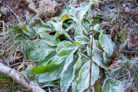
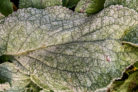
If you notice white or brown spots on the leaves, your foxglove might be dealing with a bit of a sickness. It’s best to snip off those affected leaves or stems right away to keep the rest of the plant healthy.
Getting More Blooms
You can actually trick your foxglove into sticking around a bit longer by pruning. Since most foxgloves are biennial, the “mother plant” usually dies after it finishes blooming in its second year. If you want to extend the flowering period or try to get the plant to survive another winter, cut the flower stalks back right after the blooms fade. This encourages the plant to save its energy, potentially giving you another round of gorgeous buds next spring.
Pruning to Prevent Self-Seeding
Foxgloves are experts at spreading their own seeds. If you don’t want a backyard full of “volunteers” next year, you’ll want to cut the stalks down completely. The trick is to do this before the seed pods have a chance to pop open. If you’re planning on harvesting the seeds to plant them elsewhere yourself, cut the stems just before the seeds are fully ripe.
Making Poultices
Historically, foxglove leaves have been used in external poultices for wound healing. However, if you’re trying this, be extremely careful—you want to avoid direct contact between the leaves and your skin as much as possible.
A Quick Safety Note
Always handle foxgloves with care! They are beautiful but toxic. I highly recommend wearing gardening gloves whenever you’re pruning them, and make sure to wash your hands thoroughly once you’re finished.