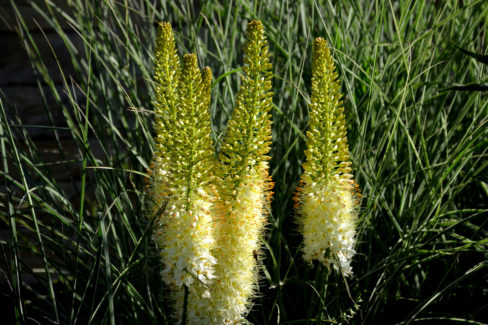
The Foxtail Lily, also known as Eremurus, is a total champ when it comes to cold weather. These stunning plants can stay outdoors all year round, even when the thermometer dips well below freezing. While they are generally hardy enough to handle winter on their own, there are a few situations where a little extra TLC goes a long way.
The Foxtail Lily is Winter Hardy
In the wild, Foxtail Lilies hail from subalpine regions, grassy steppes, and cold high-altitude plateaus. Because of these rugged origins, they handle our chilly winters quite well and are widely considered exceptionally winter-hardy.
Rhizomes: The Secret to Survival
The reason these plants survive deep freezes so effectively is thanks to their rhizomes, which act as specialized survival organs. These unique, starfish-shaped perennial tubers sit safely underground, defying the ice and snow so they can sprout back to life every single spring.
Don’t Panic When the Leaves Die Back
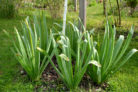
It’s perfectly normal for the foliage to die off on its own after the blooming season. Don’t worry—this isn’t frost damage! It’s just the plant’s natural life cycle. Next spring, you’ll see brand-new flower stalks and leaves pushing through the soil again.
Overwintering in the Garden
You can leave your Foxtail Lilies in the ground without a second thought. Since the parts of the plant above ground die back anyway and the tubers are tucked away in the protective soil, they usually don’t need any extra help to make it through the winter.
The Benefits of a Protective Mulch Layer
Even though established plants are tough, spreading a layer of mulch is still a great idea. Not only does it provide an extra buffer against deep frost, but it also helps maintain consistent soil moisture and provides a nice boost of organic nutrients.
Great materials for mulching include:
- Dry leaves
- Spruce branches
- Compost
Extra Protection for Potted Plants
If you’re growing Foxtail Lilies in containers, you’ll want to wrap them with winter fleece. Because there’s less soil in a pot compared to the ground, the roots can freeze much faster. A little insulation goes a long way in keeping that root ball safe.
Watch Out for Late Spring Frosts
The trickiest time for these plants is early spring. If your Foxtail Lilies sprout early, those tender new shoots are vulnerable to late-night frosts. You can prevent premature sprouting by keeping them covered early on, or protect the new growth with a piece of garden fleece or a burlap sack if a cold snap is in the forecast.
Plant Your Rhizomes Early
While they are hardy enough to stay in the garden year-round, timing is everything when you first put them in the ground. Make sure to plant your rhizomes early in the season—ideally between August and September—to give them plenty of time to settle in before the first frost.