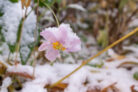
For many flower lovers, the Poppy Anemone (Anemone coronaria) is the absolute crown jewel of the anemone family. Their blooms are huge, sometimes semi-double, and come in colors so vibrant they almost look painted. But there’s one catch for us gardeners in cooler climates: they aren’t exactly fans of a harsh winter. This means if you want to keep them around, you’ll be doing a little “garden shuffle”—moving them from the flower bed to the cellar and back again each year.
Outdoor Wintering is a Long Shot
Let’s be real: most of the U.S. can’t quite compete with the Mediterranean sun that these beauties crave. Poppy Anemones live for warmth and light. Even under a thick layer of mulch, they rarely survive a true freezing winter outdoors. My advice? Don’t even risk leaving these perennials in the ground. Unless you live in a very mild coastal region and are 100% sure a “Polar Vortex” isn’t coming your way, you shouldn’t leave these bulbs outside. If you do decide to gamble, make sure they are in a very sheltered spot and buried under a massive pile of leaves or straw.
Post-Bloom Care: Patience is Key
Usually, the bloom time for Anemone coronaria wraps up in June. However, if you staggered your planting, you might have flowers all the way through September. Even when the show is over, leave those tubers in the ground for a bit! I know the foliage looks a little messy once the flowers are gone, but resist the urge to trim it. That greenery is busy sending vital nutrients back down into the bulb for next year’s growth. Once the leaves turn yellow on their own—usually by October—it’s finally time to dig them up.
- Use a garden fork to gently loosen the soil around the remaining foliage.
- Lift the tubers out carefully.
- Snip off the dried-up leaves.
Pro Tip:
While you should leave the foliage alone until it yellows, feel free to cut the flowers for indoor arrangements anytime! Just a heads-up: the sap is slightly toxic, so you might want to wear gloves if you have sensitive skin.
Storing Your Tubers the Right Way
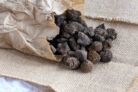
Before you tuck them away for the season, let the tubers air-dry for a few days. This prevents mold and makes it much easier to brush off any leftover dirt. To successfully overwinter your Poppy Anemones, find a spot that is dark, dry, and cool (around 50°F is perfect). Keep them there until it’s planting time again in the spring!