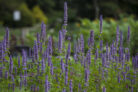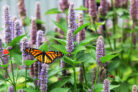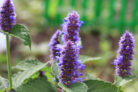
Originally hailing from Southern and Eastern Europe, hyssop is a sun-loving wild herb that thrives in the heat. However, it’s been a staple in our gardens for centuries, which tells you one thing: it’s a tough cookie that can definitely handle the cold. But as a gardener, you might wonder if you need to give it a little extra “TLC” when the temperatures drop.
Hyssop is winter-hardy in our neck of the woods
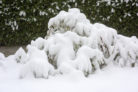
During the summer, it’s easy to give hyssop the sunny, warm spot it craves. But even the toastiest garden bed can turn into an icebox once winter rolls around. For a mature hyssop plant, this usually isn’t a problem. If you live in a particularly harsh climate, many gardeners choose to add a little protection just to be safe—and there’s certainly no harm in that!
Give young plants a cozy blanket
If you’ve just started your hyssop from seed this year, keep in mind that these youngsters are a bit more sensitive than the “grown-ups.” If the weather forecast starts calling for deep freezes, your young plants can stay in the ground, but they’ll definitely appreciate some frost protection.
- Cover them before the first big freeze hits.
- Use a few evergreen boughs or brush.
- A thick layer of dry leaves also works great.
- Wait until spring to remove the cover.
Keep container roots warm
You don’t need a huge backyard to enjoy growing hyssop; it does perfectly fine in a large pot. The catch? Roots in containers are much more exposed to the frost than those in the ground. To keep them safe, wrap your pots in burlap or garden fleece in the fall and set them on a piece of wood or styrofoam to insulate them from the cold ground. It also helps to tuck the pot in a sheltered spot against the house wall to block the wind.
Don’t wait too long for that fall pruning
Whether you call it hyssop, Hyssopus officinalis, or even “holy herb,” the name doesn’t matter as much as the timing of your pruning. We often talk about a “fall pruning” (usually the second trim of the year), but that name is a bit misleading. Ideally, you want to get this done by August at the latest. This gives the new growth enough time to “harden off” and become frost-resistant before winter arrives. If August slips by and you haven’t pruned yet, just leave the plant alone! It’s better to wait and grab your shears in March once the worst of the cold has passed.
Quick Tip:
If your plant is healthy, don’t let those clippings go to waste on the compost pile! Dried hyssop leaves make a fantastic herbal tea that’s great for soothing a scratchy throat or a winter cold.