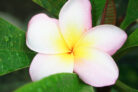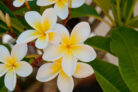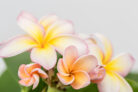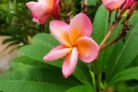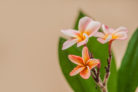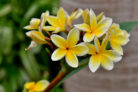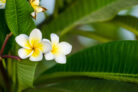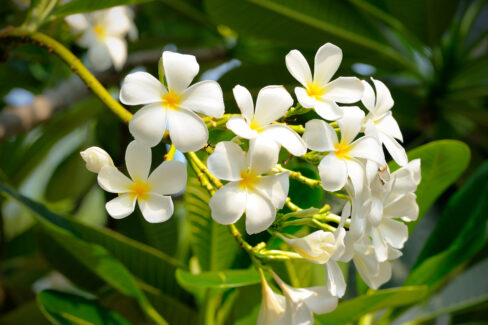
Frangipani, or Plumeria as many of us call it, is a total showstopper in any garden thanks to those stunning blooms and that heavenly, exotic scent. But there’s more to those flowers than just looks! The blooming process is actually what triggers the plant to branch out. That’s why, when it comes to Plumerias, patience really is a virtue.
Letting Nature Take Its Course
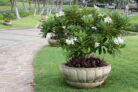
Left to its own devices, a Frangipani will naturally develop branches that eventually form a beautiful, full canopy. The catch? You have to be patient. A Plumeria won’t start branching until after it has bloomed. In other words, if there are no flowers, the plant will just keep growing straight up as a single stalk.
Natural Branching
Once your Frangipani decides it’s time to bloom, it will develop anywhere from one to five new shoots right along with the flower. These little guys really start to take off once the blossoms have faded. If you’re lucky enough to have a Plumeria that blooms every year, you’ll see one to five new branches added annually. You’ll always find the flower cluster right in the center at the very tip of the branch.
To Prune or Not to Prune?
Since some Plumerias can take eight to ten years to produce their first bloom, you might find yourself with a plant that’s getting a bit too tall for its own good. If you’re tired of waiting for nature to take its course and want to force some branching, you can take matters into your own hands. To encourage “artificial” branching, you’ll need to cut the main shoot with a sharp, clean knife.
This will definitely force the plant to branch out, but there is a downside: the cut site usually doesn’t look very pretty, and the “scar” will be visible for years. It’s definitely worth weighing the pros and cons before you decide to go under the knife.
Propagating Cuttings
If you do decide to lop off the main shoot, don’t let that piece go to waste! You can easily turn it into a new cutting. If you want to go this route, keep these tips in mind:
- Make sure the piece you cut is at least 8 inches (20 cm) long.
- Don’t cut into the soft green growth; make your cut further down where the wood is more mature.
- Get that cutting ready for rooting immediately.
With a little luck, your new cutting will take root and might even bloom sooner than the mother plant, giving you a perfectly branched young Plumeria in no time!