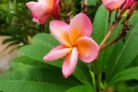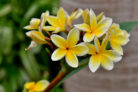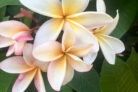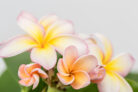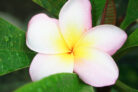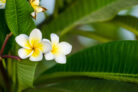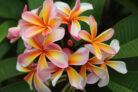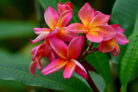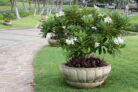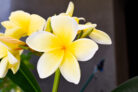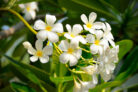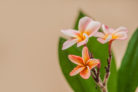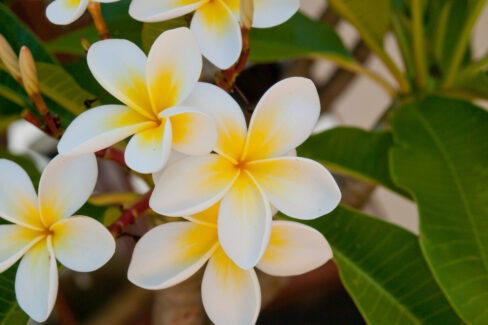
Frangipani, also known as Plumeria, is one of those plants that requires a bit of a “green thumb” when it comes to watering and fertilizing. They can be a little finicky, and honestly, they aren’t the biggest fans of being trimmed. Because they can be sensitive, you should really only prune your Frangipani in a few specific situations.
Why Prune at All?
Plumeria doesn’t handle heavy pruning very well. To save your plant from unnecessary stress, I recommend only reaching for the garden shears in these exceptional cases:
- Encouraging branching
- Taking cuttings for propagation
- Fighting off pests or diseases
Branching Out
Naturally, Plumeria will branch out on its own to form a beautiful, lush canopy. However, keep in mind that indoor plants usually won’t start branching until after their first bloom. With good care, this typically happens when the plant is at least three years old. Once that flower pops up, the Plumeria will develop one to five new shoots that branch out right from that spot.
Since this natural growth pattern usually looks the most aesthetic, it’s often best to just let the plant do its thing. But, if you absolutely have to force branching—maybe because it’s getting too tall for your space—you can cut the main stem at your desired height using a very sharp, clean knife. The best time to do this is in early spring, right before the main growing season kicks off.
Taking Cuttings
If you’re looking to grow new baby plants, the best time to take cuttings is during the active growing phase. Of course, if you’ve already trimmed your plant to encourage branching, you can totally use those leftovers for propagation! To give your cutting the best chance at life, make sure:
- It’s about 8 to 10 inches (20-25 cm) long.
- You cut from the “gray” (more mature) wood of the mother plant rather than the soft green tips.
Pests and Diseases
Unfortunately, Plumeria isn’t immune to the usual houseplant pests like aphids, spider mites, or thrips. If you’re dealing with a major infestation, you might need to prune back the affected areas to save the rest of the plant. In this case, don’t worry about the season—act fast and trim immediately.
If you notice the stem becoming soft or mushy after its winter dormancy, you’re likely looking at stem rot. This is a fungal issue, and the only way to save your Plumeria is to cut away the infected parts, making sure to cut well into the healthy tissue. You should follow this same “better safe than sorry” approach for other diseases, such as “black tip” fungus or Plumeria rust.